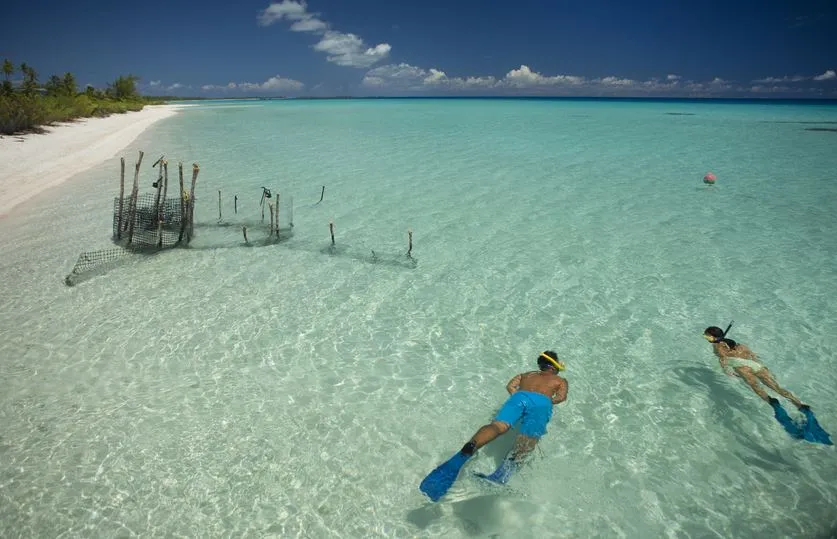
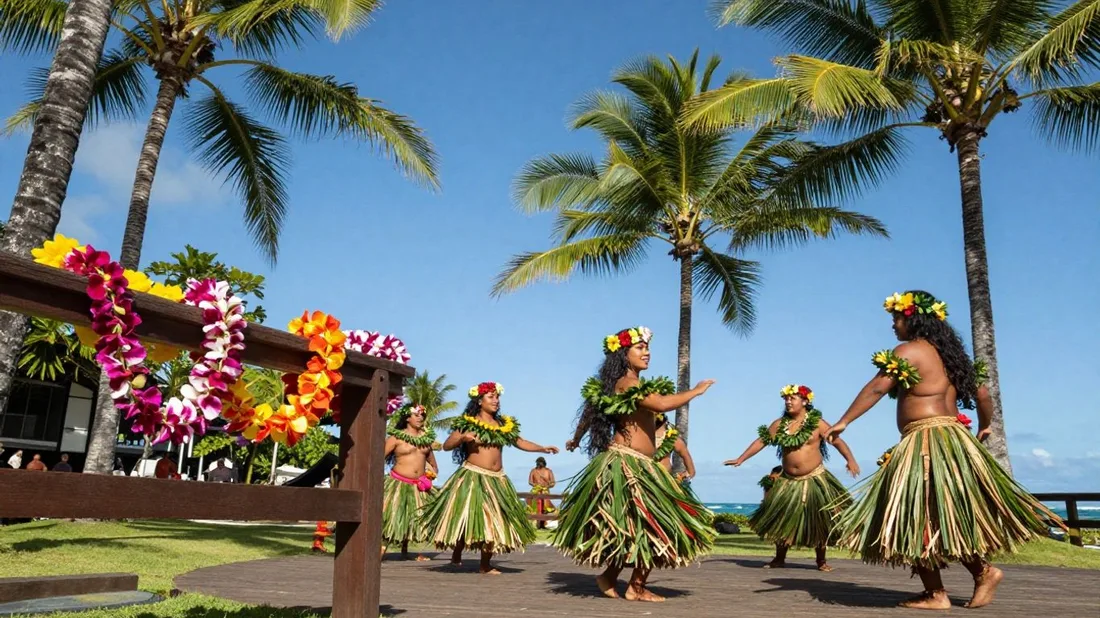
French Polynesia is making some serious waves when it comes to protecting its incredible ocean. They've set aside huge areas of water, creating some of the biggest marine protected zones on the planet. This isn't just about pretty fish, though; it's deeply tied to their culture and their future. Plus, they're bringing back old ways of looking after the sea and teaming up with folks from all over to get the job done. It’s a big effort to keep these waters healthy for everyone, now and down the road.
Key Takeaways
French Polynesia has established one of the world's largest marine protected areas, showing real leadership in ocean conservation.
These waters are bursting with life, home to countless fish, sharks, and vibrant coral reefs, making them a critical biodiversity hotspot.
Protecting these ocean resources involves blending traditional practices with modern management plans and banning harmful fishing gear.
New protected areas are being added, significantly increasing the total protected water and involving local communities in the process.
The ocean is central to French Polynesian culture and identity, and these conservation efforts honor ancestral traditions while asserting ecological control.
French Polynesia's Commitment to Marine Conservation
French Polynesia is stepping up in a big way when it comes to protecting its ocean. They've made some serious pledges to set aside huge chunks of their waters, aiming to keep marine life thriving for years to come. It's not just talk, either; there's a lot of local backing for these moves. People here really get that the ocean is their lifeblood, and they want to make sure it stays healthy.
Establishing One of the World's Largest Marine Protected Areas
This isn't just a small gesture. French Polynesia is setting up some of the biggest protected ocean zones you'll find anywhere. We're talking about areas where fishing and other activities will be strictly limited or even banned altogether. The goal is to create safe havens where marine creatures can live and reproduce without disturbance. It’s a massive undertaking, covering hundreds of thousands of square kilometers.
Advancing Global Ocean Protection Goals
What French Polynesia is doing here really helps with worldwide efforts to save the oceans. There's this big international goal to protect 30% of the world's ocean by 2030. By creating these large protected areas, French Polynesia is making a significant contribution to that target. It shows that countries can take bold steps to look after their marine environments, which benefits everyone.
Local Support for Enhanced Protections
It’s pretty clear that the people living in French Polynesia are on board with these conservation plans. Surveys show that a huge majority support setting aside more ocean areas for protection. They understand the importance of keeping the waters clean and full of life, not just for themselves but for their kids and grandkids. This local backing is a huge part of why these plans are moving forward so successfully.
Exceptional Marine Biodiversity Hotspots
French Polynesia is a treasure trove of marine life, boasting some truly remarkable underwater environments. It's not just about pretty coral; these places are teeming with activity and support a huge variety of species. Think of Fakarava, for instance. It's a UNESCO Biosphere Reserve, and for good reason. This place is practically a pristine ecosystem, a real gem in the Pacific.
Fakarava Biosphere Reserve: A Pristine Ecosystem
Fakarava is special because it's a huge atoll with a pass that connects the open ocean to a vast lagoon. This constant exchange of water brings in nutrients and keeps the ecosystem healthy. It's like a natural aquarium, but on a massive scale. The clarity of the water is often amazing, making it easy to see all the life.
Abundant Shark and Coral Species
When you talk about Fakarava, you have to mention the sharks. It's famous for having large numbers of grey reef sharks, especially in the passes. But it's not just sharks; the coral formations here are incredibly diverse and healthy. You'll find all sorts of hard and soft corals providing homes for countless other creatures. It's a really vibrant scene.
Refuge for Over a Thousand Fish Species
Beyond the sharks and corals, Fakarava is a safe haven for over a thousand different kinds of fish. From tiny, colorful reef fish to larger pelagic species that pass through, the variety is astounding. This rich fish population is a sign of a healthy food web and a well-protected environment. It's a place where marine life truly thrives, making it a significant spot for ocean protection goals .
Here's a quick look at what makes these hotspots so special:
Fakarava Biosphere Reserve: A UNESCO site known for its pristine lagoon and abundant marine life.
Shark Aggregations: Famous for large numbers of grey reef sharks, particularly in its passes.
Coral Gardens: Diverse and healthy coral formations that support a complex ecosystem.
Fish Diversity: Home to over 1,000 species of fish, indicating a robust and balanced environment.
These areas are not just beautiful; they are critical components of French Polynesia's commitment to safeguarding its marine heritage for the future.
Safeguarding Ocean Resources for Future Generations
It's not just about setting aside pretty spots in the ocean; it's about making sure the waters we rely on stay healthy for everyone, now and way down the line. French Polynesia gets this. They're really digging into how to manage their marine areas so they can keep providing for communities and keep the ocean life thriving.
Integrating Traditional Stewardship Practices
Think about the old ways of doing things. For generations, people here have understood the rhythm of the ocean and how to live with it, not just take from it. Practices like rāhui , where areas are temporarily closed off to let nature bounce back, are being brought back into the picture. It's a smart way to combine ancient wisdom with modern conservation goals.
Respecting natural cycles for regeneration.
Involving local elders and knowledge keepers in decisions.
Ensuring that resource use is balanced and sustainable.
Bolstering Fisheries Management Plans
Fishing is a big deal here, both for food and for jobs. So, it makes sense that they're looking at ways to make sure fish populations stay strong. This involves looking at what's being caught, how it's being caught, and making sure there are enough fish left to reproduce. It's about making sure the fishing industry can keep going without emptying the ocean.
Banning Harmful Fishing Devices
Some fishing gear just isn't good for the ocean. Things like drifting Fish Aggregating Devices (FADs), which can attract and sometimes trap non-target species, are being phased out. This move away from destructive practices is a clear sign of commitment to a healthier marine environment. They're also looking at banning things like deep-sea mining, which could really mess up unexplored ocean floors.
New Marine Protected Areas in Austral and Marquesas Islands
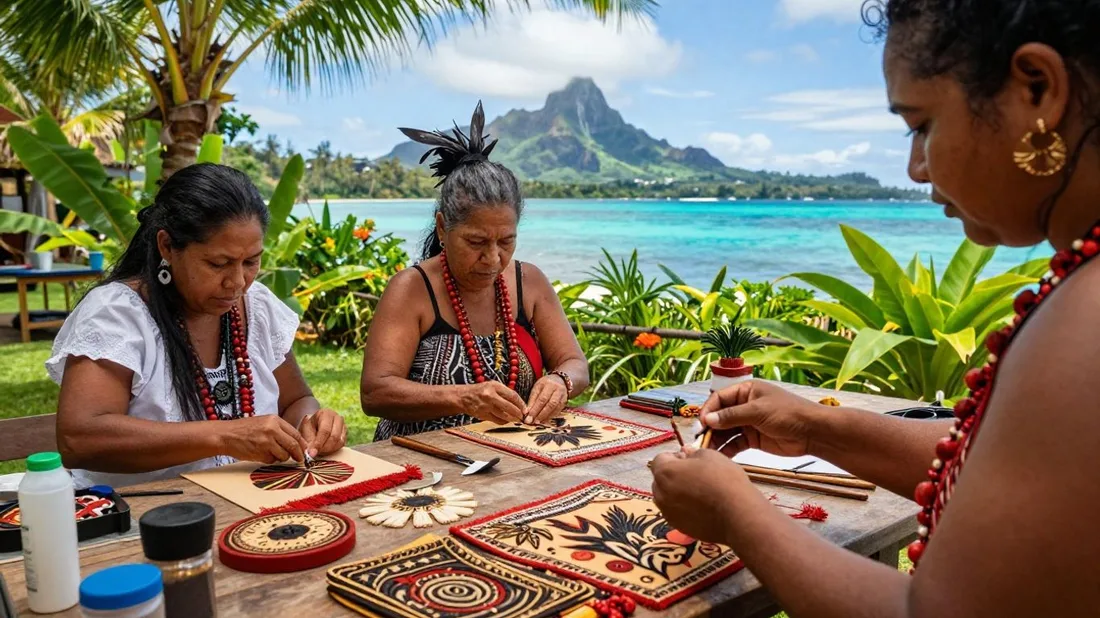
French Polynesia is really stepping up its game when it comes to protecting its ocean spaces. They've been busy setting up new marine protected areas, especially around the Austral and Marquesas Islands. These places are pretty remote and have unique life, so it makes sense to give them extra attention. It's not just about slapping a label on things; it's about creating actual safe zones where marine life can thrive without too much disturbance.
Increasing Total Protected Water Area
This whole effort is significantly boosting the amount of water under protection. We're talking about adding huge chunks of ocean to the protected list. For instance, there are plans for fully protected areas covering vast stretches of water near the Society Islands and the Gambier Islands. On top of that, they're setting up highly protected zones for local fishing, extending out from the Austral, Marquesas, and Gambier islands, as well as around the Society Islands. When you add it all up, it's a massive increase in the total area being looked after.
Here's a quick look at the scale:
Empowering Local Communities in Conservation
It's not just about top-down decisions, though. A big part of this expansion involves working with the local communities. They're setting up these protected areas in ways that respect traditional practices and allow local people to continue fishing using methods passed down through generations. This approach recognizes that the people who live there have a deep connection to the ocean and are key partners in keeping it healthy. It's about finding a balance between conservation goals and the needs of the communities that depend on these waters.
Ocean as a Source of Life, Culture, and Identity
For the people of French Polynesia, the ocean isn't just a big body of water; it's everything. It's where life began, where traditions are rooted, and who they are as a people. Think about it – the islands themselves are born from the sea, and for generations, the ocean has provided food, a way to travel, and a deep spiritual connection. It's a constant presence, shaping daily life and the very identity of the communities here. This profound link means that protecting the ocean is about protecting their heritage and their future.
Honoring Ancestral Culture and Traditions
Ancient Polynesian cultures were deeply tied to the sea. Their knowledge of currents, stars, and marine life allowed them to explore vast distances and live in balance with their environment. Practices like rāhui , a traditional system of temporarily closing off areas to allow nature to recover, show a long history of thoughtful resource management. These aren't just old customs; they're smart ways of living that are being brought back to help manage marine resources today. It's about respecting the wisdom of ancestors and applying it to modern conservation challenges.
Asserting Ecological Sovereignty
When French Polynesia declares large marine protected areas, it's more than just an environmental decision. It's a statement about their right to manage their own natural resources. They are taking charge of their ocean territory, recognizing its immense value not just for themselves but for the whole planet. This act of ecological sovereignty is about ensuring that decisions about these vital waters are made with the best interests of the local people and the environment at heart, for generations to come.
Taputapuātea: Sacred Archaeological Site
Taputapuātea, located on Raiatea Island, is more than just an archaeological site; it's a place deeply connected to Polynesian history and navigation. This ancient ceremonial center, a UNESCO World Heritage site, was once a hub for chiefs and priests from across the Pacific. It represents a significant part of the cultural landscape, reflecting the ancestral connections to the ocean and the stars that guided early Polynesian explorers. The marae (sacred stone platforms) here are a testament to a rich past, offering a glimpse into the spiritual and social structures of the time.
Fakarava Biosphere Reserve's Integrity
The Fakarava Biosphere Reserve, part of the Tuamotu Archipelago, is a shining example of a well-preserved ecosystem. Designated by UNESCO, it's a sanctuary for an incredible amount of marine life. Think over a thousand different species of fish, plus sharks and rays, all thriving in some of the most intact coral reefs you can find anywhere. It's pretty amazing how they've managed to keep this place so healthy while still letting people visit and see its wonders. It really shows what's possible when conservation is a priority.
Mo'orea's Kaleidoscopic Underwater World
Mo'orea, often called the 'sister island' to Tahiti, has a truly magical underwater scene, especially around Tiahura Beach. This area is recognized as a Ramsar Wetland, highlighting its importance for water-based ecosystems. When you're snorkeling here, it's like swimming in a living aquarium. You'll see all sorts of colorful reef fish darting around in the shallow lagoon. Plus, it's a common spot for sea turtles and eagle rays to hang out, making it one of the best places for a casual swim with amazing sea life. It's a vibrant display of nature's artistry.
Celebrating Tahitian Biodiversity Festivals
French Polynesia really knows how to throw a party, especially when it comes to celebrating the incredible life in its waters. These festivals are more than just fun events; they're a way to connect people with the ocean and remind everyone why it's so important to protect it.
Showcasing Marine Life Through Local Events
Imagine vibrant celebrations where the stars aren't just dancers and musicians, but also the amazing creatures that call the Tahitian waters home. These festivals often feature:
Artistic Displays: Local artists create stunning pieces inspired by coral reefs, sharks, and colorful fish. You might see intricate wood carvings or lively paintings that bring the underwater world to the surface.
Educational Booths: Small stands pop up, offering simple explanations about marine ecosystems, the challenges they face, and what people can do to help. It’s a casual way to learn about things like the Fakarava Biosphere Reserve's integrity .
Traditional Performances: Storytelling and dance often recount ancient tales of the sea, highlighting the deep connection between the Polynesian people and their ocean environment.
Promoting Awareness of Fragile Ecosystems
It's not all just about showing off the beauty; these festivals have a serious side too. They aim to make people think about how delicate these marine environments really are. The goal is to spark a sense of responsibility for the ocean's future.
Engaging Communities in Conservation Efforts
Ultimately, these festivals are about getting everyone involved. They want to inspire action, big or small. Whether it's participating in beach cleanups or making more mindful choices in daily life, the festivals encourage a collective effort.
Community Clean-ups: Often, a festival will kick off or wrap up with a community effort to tidy up local beaches and shorelines.
Sustainable Practices Workshops: Hands-on sessions might teach people about reducing plastic use or supporting local, sustainable fishing.
Pledge Drives: Attendees might be encouraged to make personal pledges to protect marine life, creating a ripple effect of positive change.
Geographically Isolated and Pristine Islands
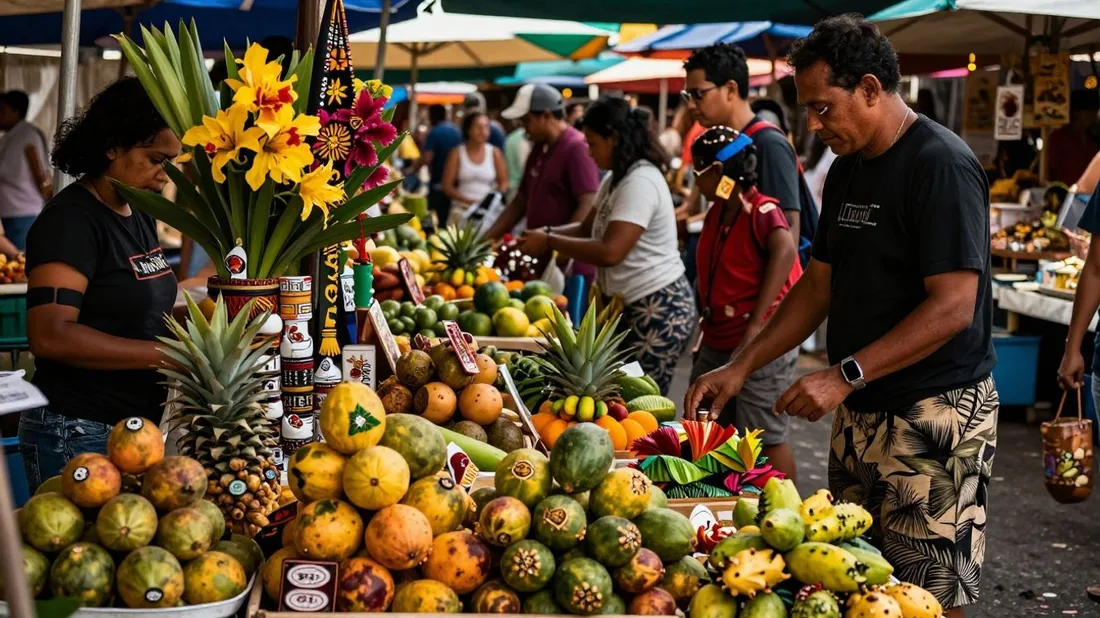
The Marquesas Islands are way out there, seriously remote. They're some of the most isolated landmasses on Earth, which has really helped keep them pretty untouched. Think dramatic cliffs and steep mountains – it's quite a sight. Because they've been so undisturbed by people for so long, the islands and the waters around them are some of the last truly wild places left. It's a big deal for conservation.
Protected Flora, Fauna, and Marine Life
This isolation means the Marquesas are a haven for unique plants and animals. Many species found here aren't found anywhere else. The waters are just as special, teeming with life that has developed without much interference. It's a place where nature really gets to do its own thing. The marine life here is spectacular, making it an ideal destination for travelers seeking extraordinary natural encounters and a chance to explore a vibrant underwater world .
Last Marine Wilderness Areas
These islands are part of a larger effort to protect vast stretches of ocean. French Polynesia is working to establish more marine protected areas, and the Marquesas are a key part of that. They represent a chance to keep a significant part of the ocean wild and healthy for the future. It’s about preserving these unique ecosystems before they are impacted by outside forces.
Here's a look at what makes them so special:
Unique Species: Many plants and animals are endemic, meaning they exist only here.
Pristine Habitats: From rugged coastlines to clear waters, the environments are largely unspoiled.
Conservation Focus: Recognized as a critical area for protecting global biodiversity.
It's amazing to think about these islands as one of the planet's last marine wilderness areas. They are a testament to what nature can achieve when left to its own devices.
Partnerships with Local Communities and Scientists
It's pretty amazing how much is happening in French Polynesia to look after the ocean. A big part of that success comes from people working together. We're talking about local communities, scientists, and even international groups all pitching in. They've been teaming up for years, sharing knowledge and ideas to figure out the best ways to protect these waters. It’s not just about making rules; it’s about building trust and making sure everyone feels heard.
Supporting Local Conservation Initiatives
Lots of great ideas for conservation start right here in French Polynesia. Local groups and villages often have the best insights into what their specific waters need. Organizations like Pew Bertarelli Ocean Legacy have been stepping up to back these local efforts. They provide support, whether it's funding or just helping to get the word out, so these homegrown projects can really take off. It’s about giving a boost to the people who know the ocean best.
Implementing Effective Marine Protections
Putting plans into action is where the real work happens. French Polynesia has been setting up some pretty significant marine protected areas, like Tainui Atea. But it's not just about drawing lines on a map. They're putting in place specific rules, like banning certain types of fishing gear that can cause damage and setting up management plans that get reviewed every year. This way, they can keep an eye on things and adjust as needed. It’s a constant effort to make sure the protections are actually working on the ground.
Designated as the Largest Marine Protected Area
So, get this: French Polynesia has gone and done something pretty amazing for the ocean. They've officially made Tainui Atea a Marine Protected Area, and it's now the biggest one on the planet. We're talking almost 5 million square kilometers of ocean under protection. That's huge! It officially got this status in 2025, which was a big deal at the UN Ocean Conference. It really shows they're serious about looking after their waters.
Strengthening Conservation Strategy
This whole Tainui Atea thing isn't just a name change; it's a serious upgrade to how they're protecting marine life. It means a stronger plan to keep the biodiversity safe, look after the ocean's ecosystems, and make sure the resources that local folks rely on are there for the long haul. It's a big commitment, and it covers pretty much all of French Polynesia's Exclusive Economic Zone.
Protecting Marine Ecosystems and Resources
What does this protection actually look like on the ground? Well, for starters, they've put a stop to digging up the seabed. That's good news for those deep-sea spots we don't know much about yet. They're also banning those drifting Fish Aggregating Devices, which can cause problems. Plus, they're really focusing on managing marine resources in a way that makes sense for the future. It's all about keeping things balanced and looking after the ocean's health.
Here's a quick look at some of the key measures:
Ban on seabed exploitation: Protecting unexplored deep-sea environments.
Prohibition of drifting Fish Aggregating Devices (FADs): Reducing potential harm to marine life.
Strengthened conservation objectives: Setting clear goals for sustainable resource management.
Development of local MPAs: Creating smaller, tailored protected areas within the larger Tainui Atea, often linked to traditional practices.
Looking Ahead
So, French Polynesia is really stepping up to protect its amazing ocean life. It's not just about pretty fish and coral, though. This is about keeping their culture and way of life going for their kids and grandkids. They're setting aside huge areas of their waters, which is a big deal, and people there are totally on board with it. It’s pretty cool to see how they’re mixing old traditions, like the rāhui practice, with modern conservation ideas. Hopefully, this inspires other places to do the same because, honestly, our oceans need all the help they can get.
What makes French Polynesia's ocean special?
French Polynesia's waters are incredibly rich with life! They are home to many different kinds of sharks, corals, and over a thousand types of fish. These waters are like a vibrant underwater city, full of amazing creatures and healthy coral reefs.
What is a Marine Protected Area (MPA)?
A Marine Protected Area, or MPA, is like a park for the ocean. It's a special area where people agree to protect the sea and the life within it. This helps keep the ocean healthy for fish, coral, and other marine animals, and also for people who rely on the ocean.
Why is French Polynesia creating large MPAs?
French Polynesia is creating huge MPAs to protect its amazing ocean life for the future. They want to make sure that future generations can enjoy and benefit from the ocean's resources, just like they do today. It's a way to be a good caretaker of their natural world.
What is Tainui Atea?
Tainui Atea is a very large area of ocean that French Polynesia has decided to protect. It's one of the biggest protected ocean spaces in the entire world! It helps keep the ocean healthy and full of life.
What does 'ecological sovereignty' mean for French Polynesia?
Ecological sovereignty means that French Polynesia is taking charge of protecting its own natural environment, especially its ocean. It shows they are responsible for their waters and are making decisions to keep them healthy and safe for everyone, now and in the future.
How do traditional practices help protect the ocean?
For a long time, the people of French Polynesia have had special ways of taking care of the ocean, like 'rāhui,' which means temporarily closing off areas to let nature recover. These old traditions are very wise and help scientists and leaders protect the ocean even better today.
Are there special places in French Polynesia recognized by UNESCO?
Yes, French Polynesia has places recognized by UNESCO, which is an organization that protects important natural and cultural sites. The Fakarava Biosphere Reserve is one, known for its amazing underwater life. Taputapuātea is another, a very important historical and cultural site.
What are the Marquesas Islands like?
The Marquesas Islands are very far away from other lands, making them special and wild. They have amazing plants, animals, and ocean life that are protected. Their waters are some of the last untouched 'wilderness' areas in the ocean, full of natural beauty.
Use this guide for trip ideas, not a current quotation or a guarantee of access, safety, inclusions or availability. Confirm the requirements and conditions for your dates, destination and provider before booking.