Choose Tahiti and her islands for overwater bungalows, high volcanic scenery and lagoons that are the centrepiece of the trip; choose Fiji for a lower overall cost, easier family travel and, from Western Canada, a nonstop flight. Both share the same seasons and both are excellent for snorkelling and diving. The deciding factors are usually budget, who is travelling and how many days you have.
The decision in one table
| Factor | Tahiti and her islands | Fiji |
|---|---|---|
| Getting there from North America | Nonstop from Los Angeles, San Francisco and Honolulu | Nonstop from Vancouver, Los Angeles and San Francisco |
| Overall cost | Higher at most levels | Wider range, easier to fit a budget |
| Signature stay | Overwater bungalow on a lagoon | Beachfront bure on a small island |
| Families | Good, with the right resort and island | Easier: many family resorts and kids’ clubs |
| Language | French and Tahitian; English in hotels and tours | English widely spoken |
| Canadian entry | No visa for tourist stays up to 90 days | No visa for tourist stays up to 4 months |
| Wet and cyclone season | November to April | November to April |
Entry rules come from the Government of Canada’s advice for French Polynesia and Fiji. Other nationalities should check their own government’s guidance.
Flights and travel time
According to Tahiti Tourisme’s US flight guide, nonstop flights reach Tahiti-Faa’a from Los Angeles, San Francisco and Honolulu, in about eight hours from the West Coast. Canadians usually connect in a US gateway and clear US customs on the way. Hawaiian Airlines’ Honolulu flights also make a Hawaii stopover easy to build in.
Fiji Airways flies nonstop from Vancouver to Nadi. In its codeshare announcement with WestJet, the airline described year-round service, with connections from other Canadian cities on one ticket.
The second leg matters as much as the first. In French Polynesia, most visitors continue by domestic flight to Bora Bora or another island, or by ferry to Moorea. In Fiji, many Mamanuca resorts are a short boat ride from Port Denarau near Nadi. On a one-week holiday, Fiji usually loses less time to travel. From the US West Coast the gap narrows, because Tahiti is the shorter flight.
Budgets: where the money goes
French Polynesia is the more expensive destination in our experience, and the gap shows up in four places:
- Rooms. Overwater bungalows on Bora Bora and Moorea set the price level. Fiji’s beachfront bures usually cost less than a comparable overwater stay, and Fiji has only a handful of true overwater rooms.
- Meals. Resort dining in Tahiti adds up quickly. Meal plans are worth pricing, and on Tahiti and Moorea you can mix in market food and roulottes. Many Fiji island resorts sell meal plans or all-inclusive rates.
- Getting between islands. Domestic flights in French Polynesia cost more than most Fiji boat transfers.
- Excursions. Lagoon tours, diving and private boats are priced at a premium in Bora Bora in particular.
Ways to bring Tahiti closer to Fiji prices: pair Moorea (reached by ferry) with one other island, mix two or three overwater nights with a beach or garden room, or stay in family-run pensions. Our French Polynesia cost guide breaks down typical spending. Exchange rates move both currencies, so compare full package prices in your own currency and check current rates before you book.
Family-friendliness
Fiji is the easier family destination overall. Many resorts are built around families, with kids’ clubs, family bures and shallow beaches, and English is spoken everywhere, which helps children feel at home.
French Polynesia works well for families too, but it needs more careful choices. Look for resorts with beach access and a pool rather than only overwater rooms, check each property’s policy on children in overwater bungalows, and favour Moorea and Tahiti, where kitchens, beaches and outings are easier to find. Many lagoon excursions in Moorea and Bora Bora suit children who can snorkel with a vest. Our Tahiti family travel page lists what to check.
Multi-generation groups often find Fiji simpler because one resort can house everyone in different room types. In Tahiti, a group may need to split between villas or pensions and coordinate boat transfers.
Lagoon experiences compared
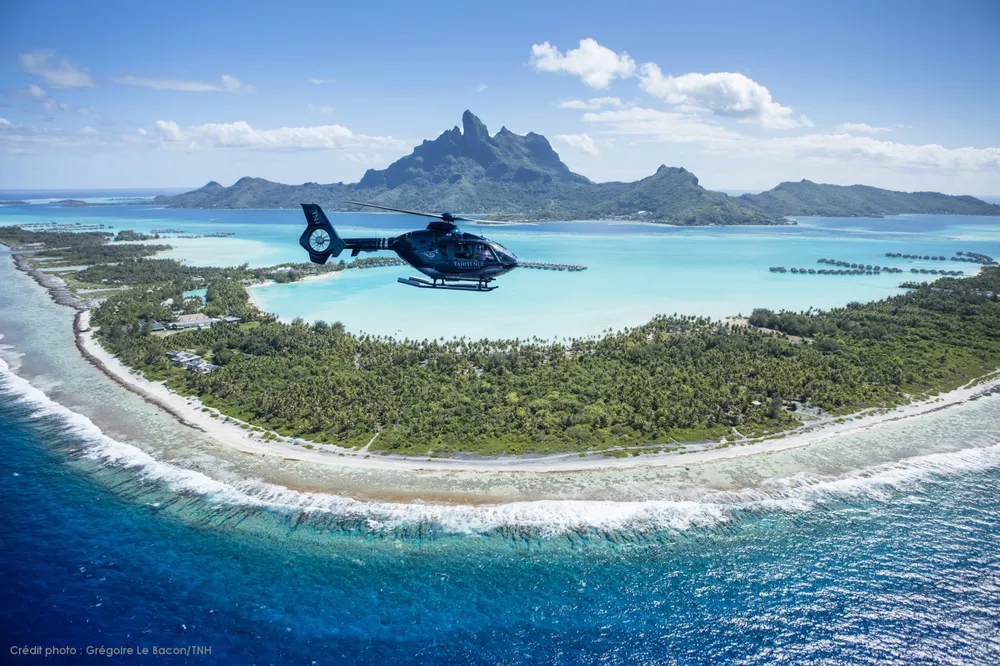
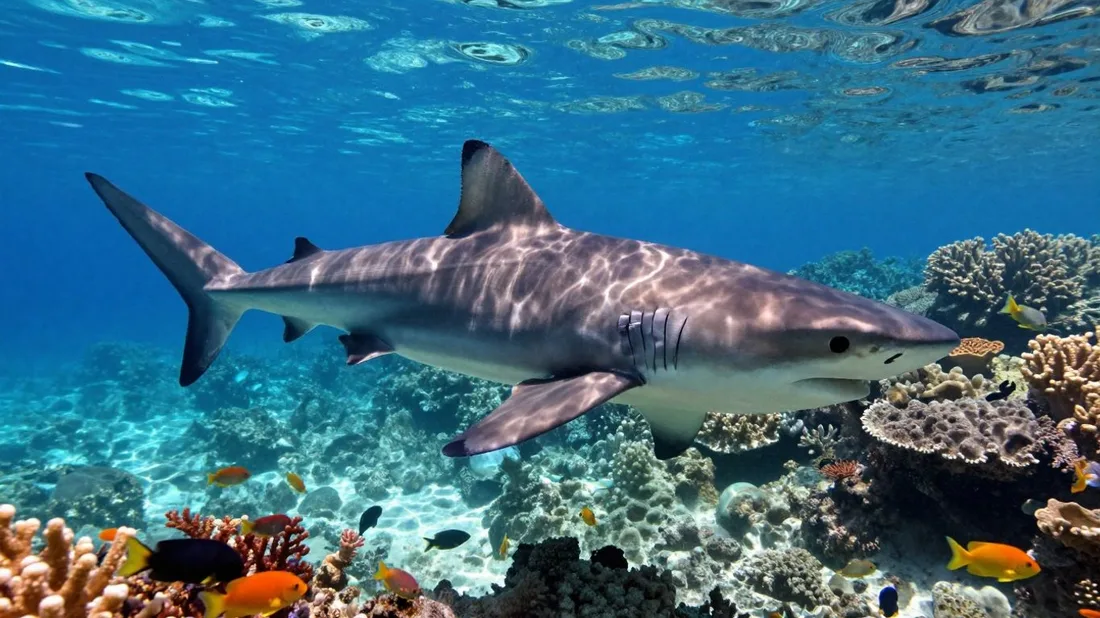
This is where Tahiti stands apart. The Society Islands are high volcanic islands with peaks rising straight behind wide turquoise lagoons, ringed by motu (islets). Bora Bora’s lagoon is the famous image, but Moorea, Taha’a and Huahine each have their own. The Tuamotu atolls, such as Rangiroa, Tikehau and Fakarava, are rings of coral around huge lagoons, known for drift snorkelling and diving in the passes with sharks and rays.
Fiji’s strengths lie more on the reef. The country has more than 300 islands. The Mamanuca and Yasawa groups off Nadi offer sandy islands with reef snorkelling close to shore, and divers seek out Fiji’s soft coral, particularly around Taveuni and Kadavu.
| If you want | Better fit |
|---|---|
| Snorkelling from an overwater deck | Tahiti and her islands |
| Mountain scenery behind the lagoon | Tahiti and her islands |
| Shark and drift dives in passes | Tuamotu atolls |
| Soft-coral diving | Fiji |
| Beach snorkelling straight from your bure | Fiji’s small islands |
Who should choose which
- Honeymooners set on overwater: Tahiti. It has many more overwater bungalows and the scenery to match.
- Families with young children: Fiji in most cases; Tahiti if you choose the resort carefully and accept a higher budget.
- Travellers with one week from Canada: Fiji, unless you fly from a US gateway.
- Two weeks or more: Tahiti becomes easier to justify, with time for a Society Islands loop or an atoll.
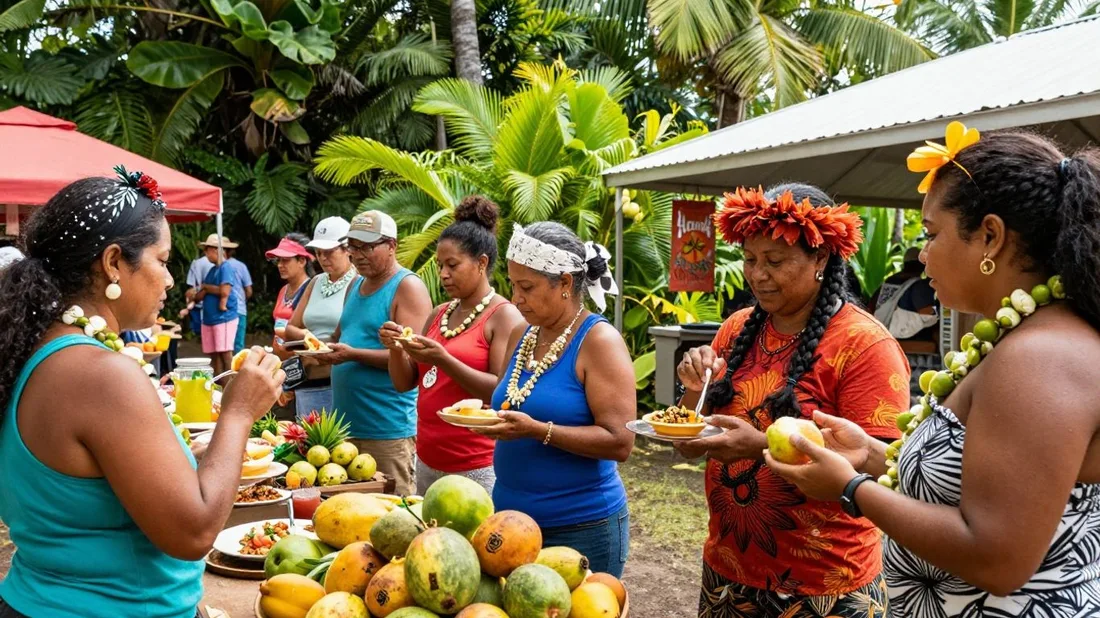
- Culture seekers: both. French Polynesia blends Polynesian traditions with French influence; Fiji combines iTaukei and Indo-Fijian cultures.
Bottom line
Start with budget, travel time and who is coming. If the trip centres on an overwater bungalow and the lagoon is the main event, Tahiti is worth the extra cost; if value, children or a nonstop flight from Vancouver matter most, Fiji is the easier fit. If the honeymoon angle is what you are weighing, our Tahiti honeymoon planning page goes further, and we can price both trips side by side when you plan with us.
Frequently asked questions
Is it cheaper to go to Fiji or Tahiti?
Fiji is usually cheaper overall, because rooms, island transfers and meal plans cost less. Tahiti can be kept in check by using Moorea, pensions and fewer overwater nights.
Can I combine Tahiti and Fiji in one trip?
It is possible, but there is no simple one-hop link for most travellers. A combined trip usually routes through another gateway, so ask us to price the full routing before deciding.
Is the weather different?
Not much. Both have a drier stretch from about May to October and a warmer, wetter season with cyclone risk from November to April.
Use this guide for trip ideas, not a current quotation or a guarantee of access, safety, inclusions or availability. Confirm the requirements and conditions for your dates, destination and provider before booking.