January is the heart of the warm, wet season in Tahiti and the Society Islands. Météo-France lists December and January as the rainiest months of the year there, yet the weather is usually a mix of heavy showers and sunny spells rather than days of steady rain. The trip works well if you choose your islands and your room for the season, keep some flexibility, and carry the right insurance.
What January weather is really like
According to Météo-France Polynésie, French Polynesia has two broad seasons: a warm, more humid season from November to April and a cooler, drier season from May to October. In the Society Islands (Tahiti, Moorea, Bora Bora, Huahine, Raiatea and Taha’a) the rainy season runs from November to April, with December and January the wettest months. Temperatures are warm without being extreme; Météo-France gives an annual average of about 26°C at Faa’a, Tahiti’s airport.
In practice, January brings:
- Showers that come and go. A downpour can last twenty minutes or an afternoon, then clear to sunshine.
- Occasional grey spells. Organised weather systems can bring several days of cloud and heavy rain, particularly to mountain slopes.
- Humidity. Nights stay warm, so air conditioning or a good ceiling fan matters more than in July.
- Greener landscapes. Waterfalls run strongly and valleys are at their most lush.
Météo-France also notes that coasts exposed to the trade winds, and especially the high ground, receive much more rain. On Tahiti that means interior valley hikes and waterfall walks are the activities most likely to be cancelled or rescheduled. For year-round patterns, see our Tahiti weather guide.
Cyclones: a low-frequency risk to plan for
Canada’s travel advice for French Polynesia notes that cyclones usually occur from November to April and that heavy rain in that period can cause flooding and landslides. Cyclones do not strike every year, but January sits inside the window, so treat it as a planning item rather than a reason to stay home:
- Buy travel insurance that covers weather disruption and missed connections, and read how it defines a named storm.
- Avoid a tight connection between a domestic flight and your international departure; leave a buffer night on Tahiti at the end.
- Follow local forecasts and any alerts from Météo-France during your stay, and follow hotel and authority instructions.
- Keep your airline and accommodation contacts on paper as well as on your phone.
Which islands work best in January
Rain falls everywhere in January, but how it affects your trip varies.
| Island group | January character | How to use it |
|---|---|---|
| Tahiti | Wet season; heaviest rain on high ground and windward coasts | Short stay; flexible days for markets, museums and coastal drives |
| Moorea | Similar to Tahiti; hikes may close after heavy rain | Lagoon days when sunny, scenic drives in between |
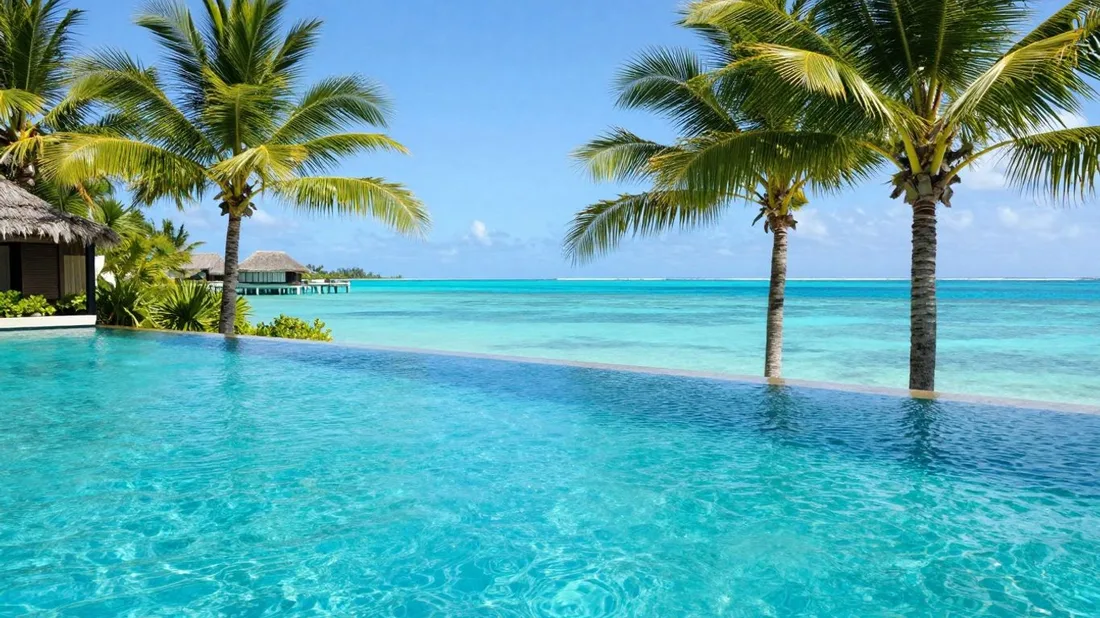
| Bora Bora, Taha’a | Wet season, but most activity is on the lagoon | Good for resort-based stays; book boat tours with flexible dates |
| Tuamotu atolls (Rangiroa, Fakarava, Tikehau) | Rainy season, with December and January the wettest; no mountains to trap cloud | Diving and snorkelling continue whenever conditions allow |
| Marquesas | Météo-France describes a different cycle there: a warm, wetter season from January to August | Suits travellers interested in culture and landscape, with flexible plans |
Météo-France describes the Tuamotu climate as having moderate rainfall and good sunshine, and because the atolls are flat, showers tend to pass over rather than settle. If you want more lagoon time and less exposure to mountain downpours, adding an atoll such as Rangiroa to a Society Islands trip is a sensible January choice.
Crowds, holidays and prices
The first days of January fall in the Christmas and New Year holiday period, when residents visit family on other islands and many visitors from abroad are on vacation. Expect busier ferries, domestic flights and guesthouses around those dates, and book them early.
After the holiday weeks, January is generally calmer than the dry-season months. Room rates depend on how each resort defines its own seasons, and some properties publish offers for the wet season, so compare a few dates before you commit and check current rates rather than assuming January is always cheaper. Domestic flights and popular overwater room categories can still sell out around holiday dates.
What’s on in January
The standout January event is in the Austral Islands. Tahiti Tourisme describes the Tere ‘A’ati on Rurutu as the island’s main festivity, held during the first week of January: residents tour the island on horseback, by bike and in decorated cars, with traditional stone-lifting, singing, dancing and a large shared meal. Visitors staying on Rurutu can ask their accommodation whether they can join in.
Elsewhere, January is a quiet month for big festivals. It is not whale season: Tahiti Tourisme gives July to November for humpback whales. Dive and snorkel trips, lagoon picnics, cultural shows at resorts and Papeete’s market run all year.
Packing and day-to-day tips
- A light rain jacket or compact umbrella, and quick-dry clothing.
- Sandals or reef shoes that can get wet; trails turn slippery after rain.
- Insect repellent. Mosquitoes are more active in the wet season, and dengue is present, according to the Government of Canada.
- A dry bag for phones and cameras on boat trips.
- Plenty of water, coconut water or juice through the day; the humidity is draining.
Plan the most weather-dependent outing (a lagoon tour, a helicopter flight or a hike) for the middle of your stay, so there are spare days on either side if it has to move. Mornings are often clearer than afternoons, so go early. Our best time to visit Tahiti guide compares January with the rest of the year.
A sample ten-day January plan
One route we find works well in the wet season:
- Days 1–2, Tahiti: arrive, rest, and visit the Papeete market and waterfront on the first clear morning.
- Days 3–5, Moorea: ferry across, keep one lagoon tour and one island drive in hand, and swap them around the forecast.
- Days 6–9, Rangiroa or Bora Bora: a lagoon-focused stay where showers interrupt less.
- Day 10, Tahiti: a buffer night near the airport before the flight home.
Bottom line
January suits travellers who want warm water, green scenery and quieter weeks after the holidays, and who can live with showers and some uncertainty. Choose resorts and atolls where the lagoon is the main event, keep flexible days, add a buffer night before flying home, and insure the trip properly. Far & Away Adventures can match islands and room types to January conditions for you.
Frequently asked questions
Is January a bad time to visit Tahiti?
Not bad, but wetter. December and January are the rainiest months in the Society Islands, though rain often comes in bursts between sunny periods. Flexible plans make the difference.
Is the sea warm enough for swimming in January?
Yes. January falls in the warm season, and lagoon swimming and snorkelling continue whenever wind and visibility allow.
Can I see whales in January?
No. Humpback whales visit French Polynesia from about July to November. In January, look for rays, reef sharks and turtles on lagoon and dive trips instead.
Use this guide for trip ideas, not a current quotation or a guarantee of access, safety, inclusions or availability. Confirm the requirements and conditions for your dates, destination and provider before booking.