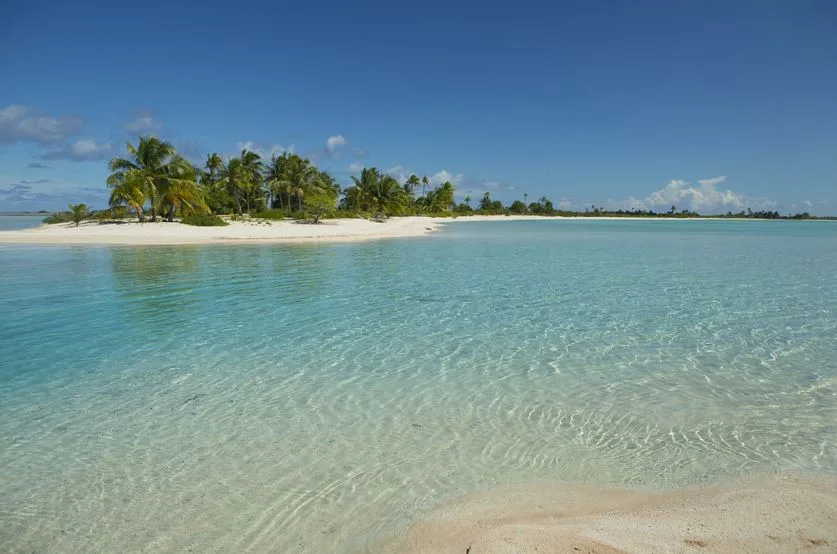
This guide helps travelers design a French Polynesia trip that works for children and adults.
Why this deserves a place in the plan
Family trips work best when transfer time, sleep, food, water confidence and downtime shape the route. Age alone does not determine which activities fit.
Choose the experience first
Choose fewer bases and accommodations with practical access to meals, shade and calm activities. Discuss swimming ability and supervision before booking lagoon excursions.
Build it into the itinerary
Alternate active days with flexible time. Carry familiar essentials and plan how the family will handle heat, rain, insects and long travel days.
Plan the longest travel days at the start and end, and give children a calm day after the international arrival before adding boat trips or early starts.
Details to verify before booking
Confirm child policies, bedding, transfers, life jackets, car seats, medical access and activity minimums directly. Airlines and operators set their own rules.
Choosing islands that suit children
Moorea is the easiest first base for most families. The ferry from Papeete takes about half an hour, so there is no second flight after the long international journey, and the island has public beaches with parking and picnic areas, such as Ta’ahiamanu in Opunohu Bay and Tiahura on the northwest coast. Lagoon mornings mix well with short valley walks and a visit to Fare Natura, Moorea’s eco-museum, which explains the island’s plants, reef and fishing heritage in a way children can follow.
Tahiti itself deserves a day or two rather than being treated only as an airport stop. Tahiti Tourisme’s family page points to the Musée de Tahiti et des Îles for history and navigation, Papeete’s market (liveliest early in the morning, especially on Sundays) and Rainbow Park in Pirae, which has treetop courses, ground-level circuits for younger children, mini-golf and a picnic area. Vaiava Beach, known locally as PK18, is a white-sand public beach on the west coast that local families use at weekends.
Bora Bora suits families who want a resort base, lagoon tours and motu picnics; our guide to Bora Bora family resorts compares room types. The Tuamotu atolls (Rangiroa, Tikehau, Fakarava) are better for older children who swim confidently and love snorkeling, because most of the appeal is in the water and facilities are simpler. The Marquesas reward teenagers interested in hiking and archaeology, but the flights are long and the islands have few beaches suited to small children.
How many islands, and in what order
On a ten- to twelve-night trip, two islands is a comfortable maximum with young children; teenagers can manage three. Each change of island takes most of half a day once checkout, the transfer, airport check-in and the arrival boat or drive are added up. An easy sequence is Tahiti for the arrival night, Moorea by ferry, a flight to Bora Bora or an atoll, then a final night back on Tahiti before the flight home. Long-haul flights into Papeete often land late at night or before dawn, so book the first room from the arrival date and plan nothing before lunch the next day.
Water safety for families
The Government of Canada’s travel advice notes that lifeguards don’t usually supervise beaches in French Polynesia and that tidal changes can create powerful currents. Water inside the reef is generally calmer than the ocean side, but the passes, where the lagoon drains to the open sea, can run fast, and boat traffic is common near villages and resorts. Choose beaches with a gradual sandy entry, swim where local families swim, and keep young children within arm’s reach until you know the spot.
- Pack reef shoes for everyone. Coral rubble, sea urchins and the occasional stonefish cause most cut or stung feet.
- Ask each excursion operator whether it carries child-size life jackets, masks and fins, and what age it sets for snorkel stops away from the boat.
- Teach children not to stand on coral or touch animals, including the rays and blacktip sharks met on lagoon tours.
- Long-sleeved rash vests cut down the amount of sunscreen children need; use a reef-friendly mineral product for the rest.
- Keep the strongest sun, roughly late morning to mid-afternoon, for shade, a nap or the pool.
Health, documents and money
Dengue and Zika are present in French Polynesia, and the mosquitoes that carry them bite mostly during the day, especially around sunrise and sunset. Use a repellent suited to each child’s age, put light long sleeves on at dusk, and ask whether rooms have screens or nets. See a travel health clinic before the trip, particularly if anyone in the family is pregnant or planning a pregnancy. Care is good on Tahiti and the larger islands, while small islands may have only a nursing station and serious cases are flown to Tahiti, which is why insurance with medical evacuation matters for families.
Every child needs their own passport. When a child travels with only one parent, with grandparents or with another adult, the Government of Canada recommends carrying a signed consent letter from the parent or parents not travelling; airline agents and border officers can ask for one.
The currency is the CFP franc (XPF). Cards work at hotels and larger shops on Tahiti, Moorea and Bora Bora, but snack stands, markets and guesthouses on smaller islands often take cash only. Supermarkets on the main islands stock nappies and baby food, so bring only the specific formula, medicines or sunscreen your family depends on.
Accommodation that works with children
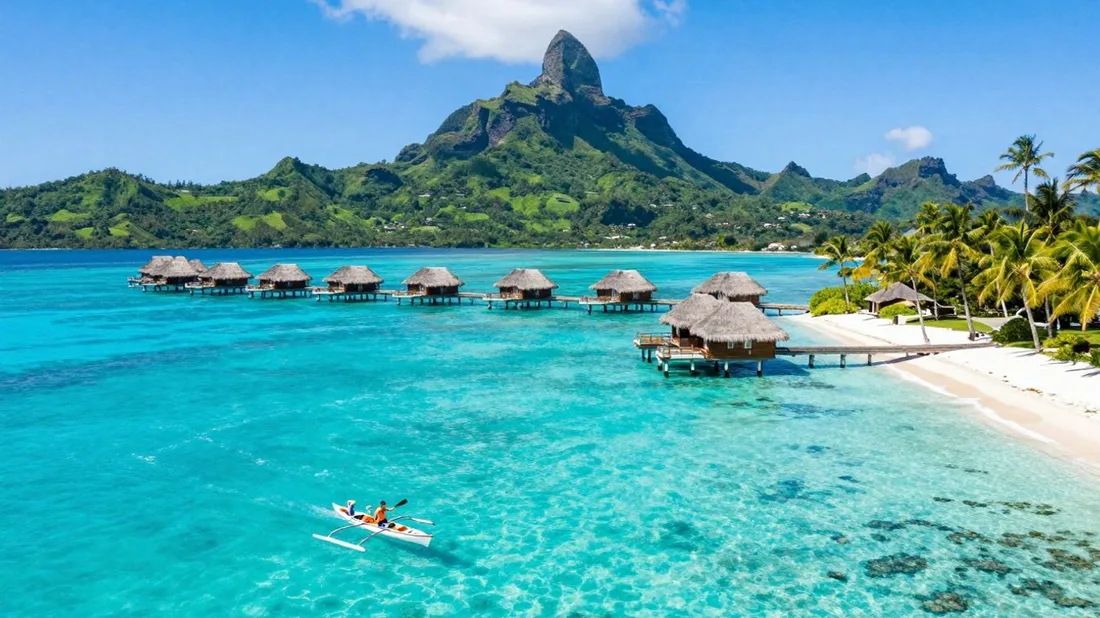
Overwater bungalows are memorable, but many have open decks and ladders straight into deep water. Ask about railings and whether the resort sets a minimum age for overwater rooms. A garden or beach bungalow with a kitchenette, or a family-run pension, often suits young children better and makes simple meals easy. Get cots, extra beds, connecting rooms and any kids’ club ages and hours confirmed in writing before paying a deposit.
Make the visit respectful
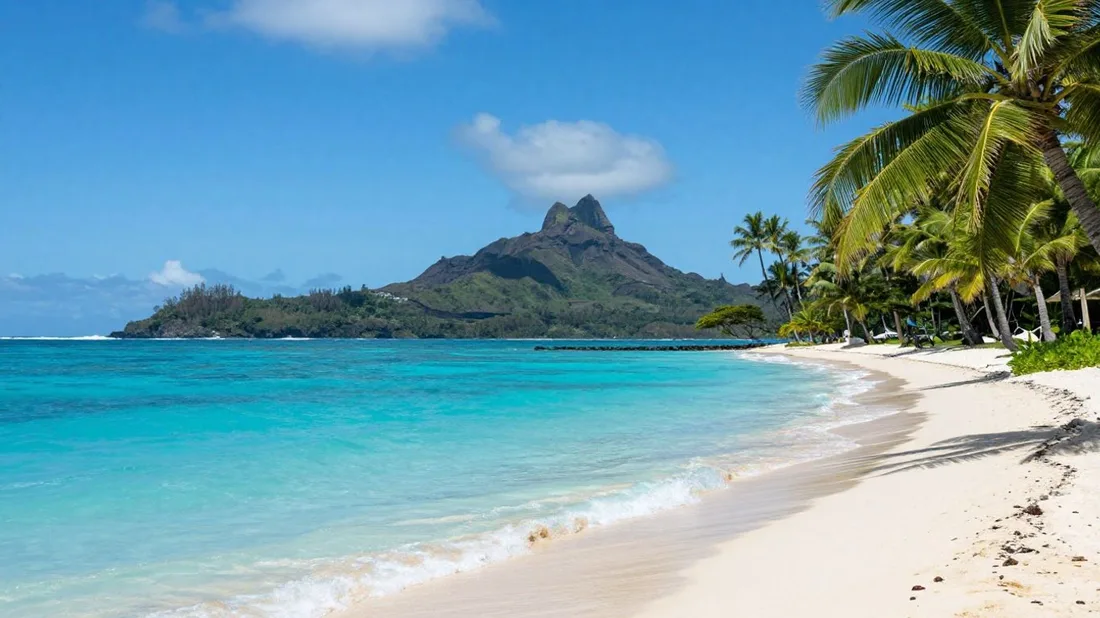
Teach children to respect wildlife, coral and cultural sites. Select guides who explain expectations clearly and welcome family questions.
Common planning mistakes
Avoid marketing an activity as suitable for all ages. A family-friendly resort cannot replace active supervision or current safety advice.
Accessibility and individual needs
Ask each activity operator for its minimum age, the sizes of life jackets and snorkel gear, and who supervises children in the water.
After booking
Recheck child seats, cots and connecting rooms with each accommodation a week before arrival, as these are often limited.
On the day
Keep a pool day, beach time or a short walk ready for afternoons when children are tired, rather than pushing through a planned excursion.