Travel guide
Birdwatching in Tahiti and French Polynesia can be a rewarding part of a nature-focused journey, but wildlife observation should never be treated as a guaranteed encounter or a reason to enter restricted habitat. Plan around current local guidance, use authorised access where needed, and keep the welfare of birds and nesting sites ahead of photography or a checklist.
Where birdlife fits into a French Polynesia trip
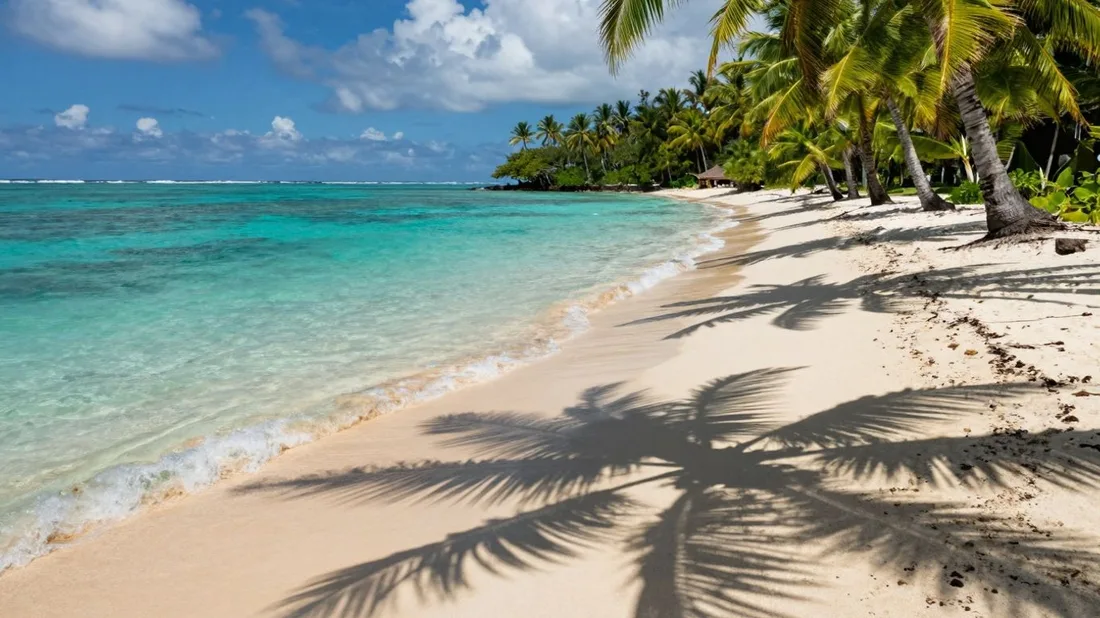
Tahiti Tourisme describes natural heritage across the islands, including birds in forests, valleys, motu and coastal environments. Its destination information identifies Tetiaroa as an important bird sanctuary, while its Tikehau information describes Bird Island as a seabird sanctuary. These are examples of why destination-specific access and conservation guidance matters; they are not promises of a particular species or sighting.
Observe with care
- Use a local guide or authorised operator where access, transport or ecological interpretation requires one.
- Keep a respectful distance and do not approach nests, roosts or birds with young.
- Stay on permitted routes and follow instructions from guides, land managers and boat captains.
- Avoid loud playback, feeding, chasing, flash photography or any action that changes wildlife behaviour.
- Treat a closed area or changed weather as a reason to alter plans, not a restriction to work around.
Choose the right level of planning
For a general Tahiti itinerary, birdwatching may be one part of a guided nature or island experience. Travellers planning specifically around wildlife should ask the relevant organiser about current access, appropriate equipment, physical requirements, group size and conservation expectations. Do not rely on old excursion pages for availability or wildlife conditions.
Before you travel
Start with current destination information, then confirm any local excursion or access details directly. A successful wildlife experience leaves the site and its birds undisturbed.
Choose the island before choosing the species list
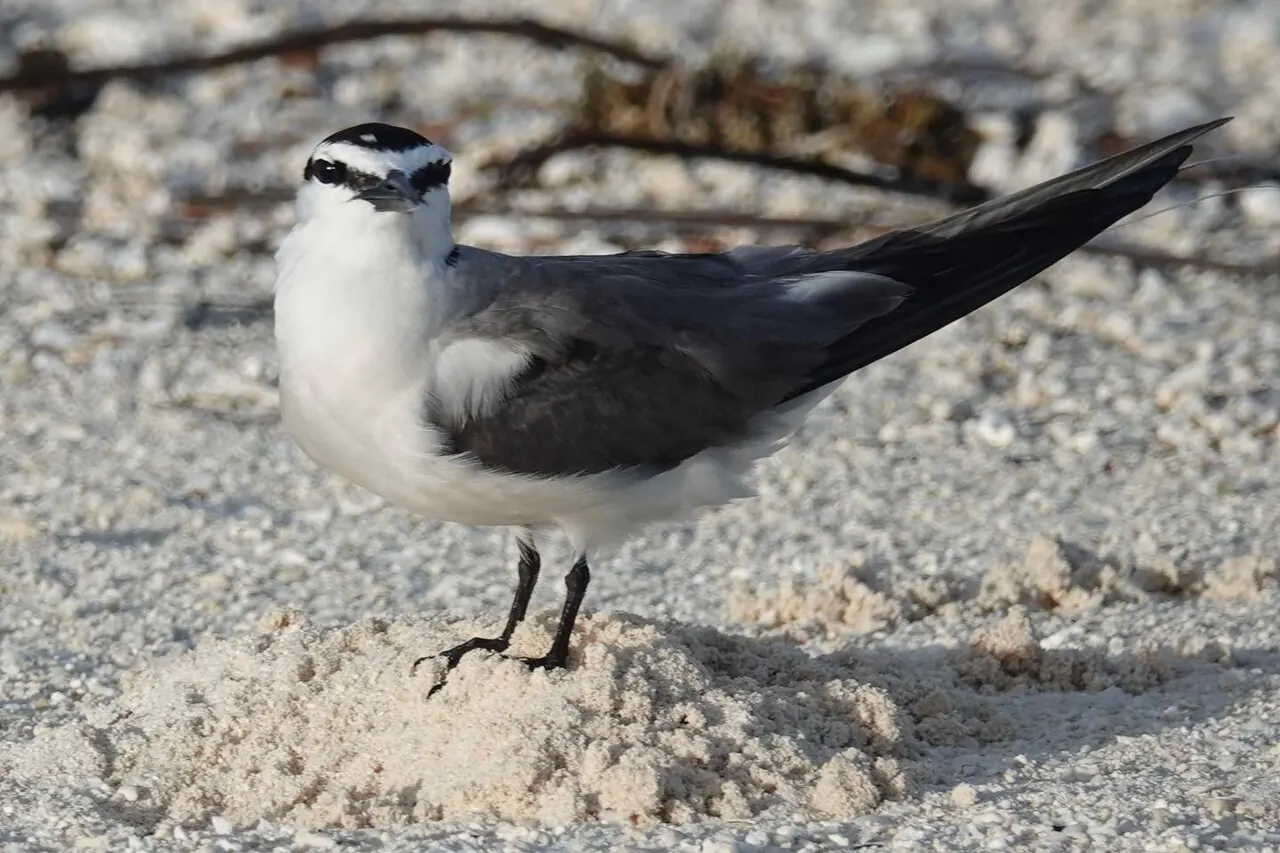
French Polynesia spans a vast area, so birding opportunities differ among high islands, atolls and offshore motu. Tetiaroa and Tikehau are highlighted by Tahiti Tourisme for birdlife, but access conditions are not the same. Begin by deciding which islands fit the larger itinerary, then investigate legitimate guided access and likely habitats. A list copied from another archipelago can create unrealistic expectations and encourage unnecessary disturbance.
Some colonies are on small, sensitive sites that require a boat and local guidance. Landing may be restricted by weather, nesting conditions, conservation work or private ownership. Confirm whether a tour actually includes a landing, viewing from the boat or another experience. Accept a guide’s decision to keep distance or cancel. Protecting a colony matters more than obtaining a close photograph.
Watch without changing bird behaviour
Use binoculars or a moderate telephoto lens and remain on established paths or designated viewing areas. If adults repeatedly call, leave nests, circle closely or change feeding behaviour, increase your distance. Never touch nests, eggs, chicks or grounded birds. Avoid flash and loud playback. Recorded calls can disrupt territorial and breeding behaviour, so use them only when a qualified local guide says they are appropriate.
Move slowly and keep groups compact. Bright clothing is usually less important than quiet, predictable behaviour. Do not feed birds, even when a species appears accustomed to people, because feeding changes natural behaviour and can attract predators. Keep food contained and remove every piece of waste. On motu and beaches, watch where you step; nests can be difficult to see and may be close to apparently open sand.
Protect islands from invasive species
Remote islands are especially vulnerable to introduced seeds, insects and animals. Clean mud and seeds from shoes, tripods and bags before travel, and follow every biosecurity instruction from the operator. Do not bring pets or loose food to wildlife sites. Check small compartments in camera bags and outdoor gear. A careful five-minute inspection before boarding can prevent material from moving between islands.
Use refillable water containers where practical and secure all lightweight packaging on a boat. Wind can carry wrappers into the lagoon quickly. Sunscreen, insect repellent and other products should be applied before approaching a colony so spraying does not occur near birds. If a guide provides a specific conservation briefing, treat it as the controlling instruction for that site.
Plan for comfort and realistic observation
Early morning may offer comfortable temperatures and active birds, but boat schedules and tides may determine access. Bring sun protection, water, rain protection and motion-sickness support appropriate for you. Protect cameras from spray and carry only equipment you can manage safely during a wet or uneven landing. Ask about shade, toilets, walking distance and seating before booking, especially for children or travelers with mobility needs.
Keep a simple field record with date, island, habitat and how a species was identified. Photographs can help later, but uncertain sightings should remain uncertain. A local naturalist can add context that an identification app cannot provide. Include other nature interests in the day so success does not depend on seeing one rare species. This produces a more respectful and enjoyable outing when wildlife is unpredictable.
A responsible wildlife outing also supports better records. Note the guide, island and habitat, then compare uncertain sightings after the trip rather than pressuring the group for a closer view. Share sensitive nest locations only with appropriate conservation programs. If photographs are posted publicly, avoid exact coordinates for vulnerable colonies and describe the respectful distance used. Good birding leaves the site quiet and unchanged for the next observer.
Tahiti Tourisme: Bird Colonies of Tikehau
Frequently asked questions
Where can birdwatching fit into a French Polynesia trip?
It can be part of a guided nature day on high islands, atolls or offshore motu, with opportunities depending on habitat and permitted access.
How close should I approach birds and nests?
Keep enough distance that birds do not call repeatedly, leave nests or change their behaviour. Follow any greater distance required by a guide or site manager.
Are particular species or landings guaranteed?
No. Wildlife, weather, nesting conditions and access are variable, and a guide may change or cancel a visit to protect people or habitat.