
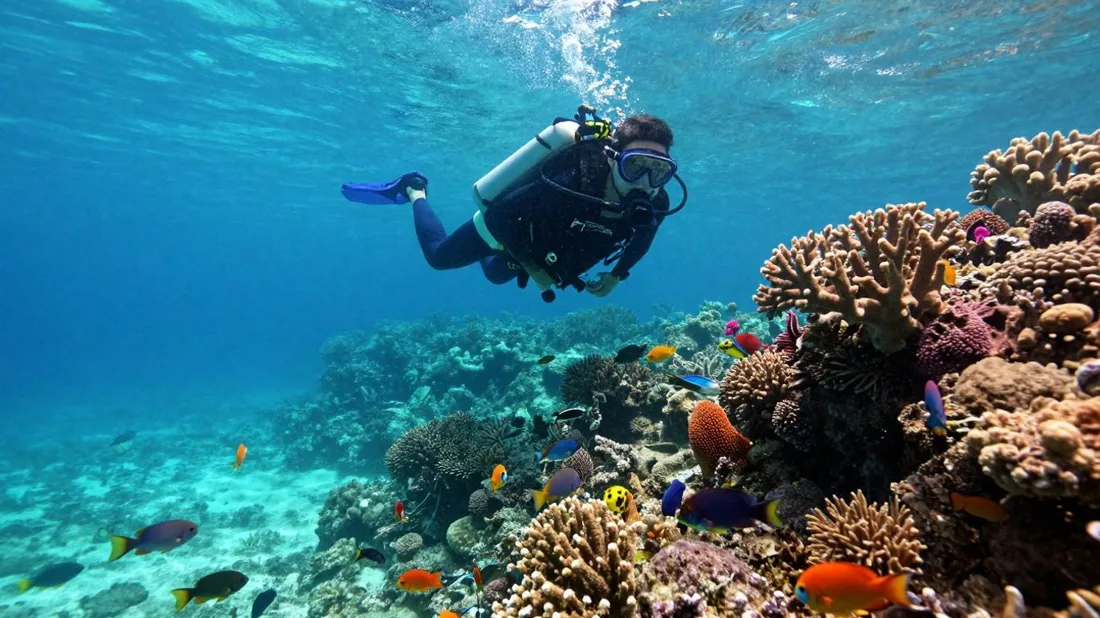
Thinking about a trip to Polynesia? Beyond the stunning beaches and clear blue water, there's a whole world of art and culture waiting to be explored. Many islands offer hands-on experiences where you can learn traditional crafts. Imagine coming home with a beautiful, handmade souvenir that you actually made yourself! Polynesian shell art workshops are a fantastic way to connect with the local culture and create something truly special.
Key Takeaways
Polynesian shell art workshops offer a unique chance to create your own souvenirs.
These workshops teach traditional techniques passed down through generations.
You'll learn about the cultural significance of shells and other natural materials in Polynesia.
Experiences range from making shell necklaces and bracelets to exploring other crafts like weaving and tapa making.
Finding authentic workshops connects you directly with local artisans and their skills.
The Allure of Polynesian Shell Art
Polynesian cultures have a long history of using shells in art and adornment. These aren't just pretty objects; they carry stories and traditions. Think about it – shells come from the ocean, a central part of island life. So, when you see shell jewelry or decorations, you're looking at a piece of that connection. The intricate designs often tell tales of the sea, the land, and the people. It’s a way of keeping ancient practices alive.
Hands-On Workshops for All Skill Levels
Don't worry if you've never made anything before. These workshops are set up for everyone. Whether you're a total beginner or someone who likes to tinker with crafts, there's a place for you. You'll get to try your hand at different techniques, and the local instructors are usually really patient. They want you to have a good time and learn something new.
Here’s a general idea of what you might do:
Learn to sort and clean different types of shells.
Practice basic drilling and shaping techniques.
Experiment with different stringing and weaving methods.
Get tips on how to combine shells with other natural materials.
Creating Your Own Shell Masterpiece
By the end of a workshop, you’ll have something you made yourself. It might be a simple bracelet, a pendant, or even a small decorative piece. It’s not about perfection; it’s about the experience and the connection you make with the craft. You get to take home a tangible reminder of your time spent learning and creating in a beautiful Polynesian setting. It’s a souvenir with a personal touch, something you can say, 'I made this!'
Crafting Treasures with Local Artisans
Spending time with a Polynesian artisan is nothing like a typical craft class. These artists don’t just show you what to do—they tell stories as you work and explain why shells matter in their culture. You’ll notice how each necklace or bracelet uses different shell types for specific meanings, and by the end, your hands know the traditional knots and patterns almost by accident.
Step-by-step, here’s what you usually experience when learning:
Picking out shells—artists explain which ones are best for what type of jewelry.
Sorting, cleaning, and prepping the shells, sometimes with a quick lesson in traditional tools.
Learning basic threading and knotting (those techniques matter a ton for making sure your piece lasts).
Often, you’ll laugh a lot with your table neighbor over a stubborn string or a wonky shell hole. It’s more real life than a classroom.
Understanding the Significance of Shells in Polynesian Culture
You can’t really separate shell art from the bigger picture. Every color, shape, and design has a story or use—some shells are passed down, some worn for special events, others for daily life. Shells even tie into local legends and personal milestones.
Wedding ceremonies often feature shell jewelry for the bride and groom.
Shells can mean happiness, protection, or a connection to ancestors.
Certain shells are only collected from specific islands or beaches, sometimes only by select people.
Exploring Diverse Shell Art Forms
It’s not just about necklaces. Polynesian artisans put shells on almost anything:
Wide bangles and delicate earrings
Decorative combs and hair picks
Home items like small mirrored boxes, utensils, or even wall hangings
Here’s a quick comparison of a few common creations:
Try making a bit of everything—by the end, you’ll see the versatility of these classic crafts, and maybe have three new souvenirs instead of just one.
Participating in Polynesian Shell Art Workshops
Getting your hands dirty with actual shell art is where the real magic happens. Forget just looking; these workshops are all about doing. You'll find yourself sitting alongside local artisans, maybe on a woven mat under a palm tree, learning techniques that have been passed down for ages. It's a chance to connect with the culture in a way that reading a book just can't match. You'll learn to sort through shells, pick out the best ones, and start shaping them into something beautiful. It’s not just about making a souvenir; it’s about understanding the process and the care that goes into each piece.
Discovering the Art of Shell Lei Making
One of the most iconic shell crafts you'll encounter is the shell lei. These aren't your typical flower leis; they're intricate creations made from tiny, perfectly chosen shells. The process can be quite detailed, requiring patience and a steady hand. You'll learn how to:
Select shells based on size, color, and shape.
Drill or prepare shells for stringing.
Arrange shells in specific patterns for aesthetic appeal.
Secure the shells onto a cord or fiber.
It's a meditative process, and the finished lei is a stunning piece of wearable art, often used for special occasions or as a meaningful gift.
Engaging with Master Shell Artisans
What truly sets these workshops apart is the opportunity to learn directly from people who have dedicated their lives to this craft. These aren't just hobbyists; they are masters, often carrying on traditions from their families. They can share stories about the shells, their meanings, and the history behind the art form. You might even get to see their personal collections or learn about the specific islands where certain shells are found. It’s a rare glimpse into a world of skill and cultural pride.
Crafting Exquisite Shell Necklaces
Polynesian cultures have a long history of using shells to create beautiful adornments, and necklaces are a prime example. These aren't just simple strings of shells; they are often intricate pieces that tell a story. Artisans carefully select shells for their color, shape, and texture, sometimes combining them with other natural materials like seeds or polished wood. The process can involve drilling tiny holes with traditional tools, a delicate task requiring patience and skill. The final necklaces can range from minimalist designs featuring a single, perfect shell to elaborate arrangements that showcase a variety of marine treasures.
Designing Unique Shell Bracelets
Similar to necklaces, shell bracelets are a popular form of personal adornment in Polynesia. You'll find a wide array of styles, from simple bands made from a single, curved shell to more complex woven designs. Some bracelets incorporate small, colorful shells that are meticulously strung together, creating a vibrant mosaic effect. Others might feature larger, more prominent shells as focal points. The beauty of these bracelets lies in their connection to the ocean and the natural world. Many are designed to be comfortable for everyday wear, while others are reserved for special occasions, adding a touch of island elegance to any outfit.
Exploring Shell Earrings and Hair Ornaments
Beyond necklaces and bracelets, shells find their way into other personal accessories. Earrings crafted from shells can be incredibly delicate, often made from thin, iridescent shell fragments or small, perfectly formed shells. They catch the light beautifully, adding a subtle shimmer. Hair ornaments are also a significant part of shell artistry. Think of combs adorned with shells, or decorative pins that can be tucked into braided hair. These pieces are not just decorative; they often carry cultural significance, representing status, beauty, or a connection to the sea. It's amazing how these small, natural objects can be transformed into such striking pieces of art.
The Ancestral Roots of Shell Craft
Polynesian shell art isn't just about pretty decorations; it's deeply tied to the history and way of life of the islands. For generations, people here have used shells not only for practical things but also as a way to tell stories and connect with their past. Think of it like an old language, spoken through the shapes and colors of the ocean's gifts. These aren't just random shells; they're often chosen for specific reasons, carrying meanings passed down through families.
Shell Art as a Reflection of Island Life
What you see in shell art often mirrors what life is like in Polynesia. The ocean is central to everything, so it's no surprise that shells, pearls, and other sea treasures feature so prominently. You'll find designs that echo the waves, the coral reefs, and the creatures that inhabit them. It’s a way for islanders to show their respect for the sea and the bounty it provides. It’s a constant reminder of where they come from and their connection to the natural world around them.
Preserving Traditions Through Workshops
These days, keeping these old skills alive is super important. That's where shell art workshops come in. They're not just about learning how to make a necklace; they're about passing on the knowledge and the stories that go with it. When you join a workshop, you're not just a tourist; you're getting a glimpse into a living tradition. You get to work with local artisans, hear their insights, and feel a part of something bigger than just a craft.
Here’s a look at what you might learn:
Shell Selection: Understanding which shells are best for different crafts and why.
Preparation Techniques: Learning how to clean and prepare shells without damaging them.
Design Principles: Discovering the traditional patterns and symbols used in Polynesian shell art.
Assembly Methods: Mastering the art of stringing, weaving, or attaching shells to create finished pieces.
Beyond Shells: Exploring Other Natural Elements
While shells are a star attraction, Polynesian craft workshops often go further, incorporating a whole range of natural materials found across the islands. It's a chance to really connect with the environment and see how people have used what's around them for centuries. Think about it – everything you need is right there, growing on trees or washed up on the shore.
The Art of Weaving with Pandanus Leaves
Weaving is a big deal in places like the Austral Islands. People here are seriously skilled at taking dried pandanus leaves and turning them into all sorts of useful and beautiful things. You can learn how they prepare the leaves, which is a whole process in itself, and then how to weave them into:
Baskets for carrying fruit or goods
Mats for sitting on or sleeping on
Hats to keep the sun off
Decorative wall hangings
Each island might have its own patterns or ways of weaving, so you're not just learning a craft, you're learning a bit of local history too.
Creating with Seeds and Nuts
Jewelry made from seeds and nuts is another amazing craft you might encounter. It’s incredible how intricate these pieces can be. Artisans string together tiny seeds, sometimes in complex patterns, to make necklaces, bracelets, and earrings. Different seeds have different colors and textures, and the way they're combined can tell a story or represent something specific. You might even see larger pieces made from carved nuts, like tamanu nuts, which are really striking.
Finding Polynesian Shell Art Workshops
So, you've decided you want to try your hand at making some of that beautiful Polynesian shell art. That's awesome! But where do you even start looking for these workshops? It can feel a bit like searching for a specific shell on a vast beach sometimes.
The best way to find authentic experiences is often through local recommendations or by visiting the islands themselves. Don't just book the first thing you see online; try to find out if it's a genuine craftsperson teaching, not just someone running a quick tourist trap. Sometimes the most memorable workshops are the ones you stumble upon in smaller villages or markets.
Here are a few pointers on how to track down a good shell art class:
Check with your accommodation: Many hotels, guesthouses, and even local tour operators can point you in the right direction. They often have connections with local artisans.
Visit local markets: This is where you'll see the real talent. Chat with the vendors – many of them teach workshops or know someone who does. It’s a great way to see the finished products and get a feel for the local craft scene.
Look for cultural centers: Some islands have dedicated cultural centers that promote traditional arts and crafts. They are usually a reliable source for finding legitimate workshops.
Ask around: Don't be shy! If you see someone wearing beautiful shell jewelry, ask them where they got it or if they know of any classes. Polynesians are generally very friendly and happy to share their culture.
It’s also helpful to know what kind of shell art you’re interested in. Are you keen on making intricate shell leis, or perhaps a more structured piece of jewelry like a bracelet or necklace? Knowing this can help you narrow down your search. Some workshops focus on specific techniques, like weaving tiny seeds and shells together, while others might be more general introductions to shell adornments.
Here’s a quick look at what you might find:
Planning your trip around a specific craft experience can be really rewarding. It’s not just about the souvenir you make; it’s about the stories you hear and the people you meet along the way. So, do a little digging, ask the right questions, and get ready to create something truly special.
The Intricacy of Woven Seed Jewelry

Polynesian cultures have a long history of using natural materials for adornment, and shells are just one part of that story. While shells themselves are beautiful, the artistry comes in how they are transformed. Think about the delicate necklaces and bracelets. These aren't just strung shells; they often involve intricate weaving techniques, sometimes incorporating tiny seeds or other natural elements alongside the shells. It's a process that requires patience and a good eye for detail. The way different shell shapes and colors are combined can tell a story or represent something specific within the culture.
The Symbolism in Shell Creations
It's more than just pretty decorations. Many shell creations carry deep meaning. For instance, certain shells might be associated with specific gods, ancestors, or natural elements like the ocean or fertility. A lei made with particular shells could be a symbol of protection for a traveler, or a sign of respect and love for the recipient. Understanding these meanings adds another layer to appreciating the craft. It connects the object to a larger cultural narrative.
Taking Home Your Handmade Souvenir
When you participate in a shell craft workshop, you get to create something with your own hands. It's a tangible reminder of your time in Polynesia. You're not just buying a souvenir; you're taking home a piece of art that you helped make. This personal connection makes the item much more special. Plus, you'll have a great story to tell about learning the techniques from local artisans.
Meet the Artisans Behind Shell Art
When you attend a shell craft workshop in Polynesia, you're not just learning a skill; you're connecting with people who have generations of knowledge in their hands. These artisans are the keepers of traditions, often learning from their parents and grandparents. They have a deep respect for the ocean and the materials it provides. Their passion for preserving these ancient art forms is truly inspiring. You'll find that many of them are eager to share not just the 'how-to' but also the 'why' behind their craft.
Gaining Insights into Traditional Techniques
Forget quick, mass-produced souvenirs. Here, you'll get hands-on with methods passed down through centuries. Think intricate weaving patterns for shell leis, careful selection of shells for their color and shape, and the patient work of polishing and drilling. It's a different pace, a mindful process that connects you to the island's rhythm.
Here's a glimpse of what you might learn:
Shell Lei Making: Discover how to string various shells, seeds, and sometimes even fragrant flowers to create beautiful, wearable art.
Jewelry Design: Learn to combine different shell types, perhaps adding polished nuts or seeds, to craft unique necklaces, bracelets, and earrings.
Decorative Items: Explore techniques for creating larger pieces, like wall hangings or small boxes, using larger shells and natural fibers.
The Joy of Hands-On Learning
There's something incredibly satisfying about creating something beautiful with your own two hands, especially when guided by someone with such deep roots in the craft. You'll leave not only with a unique piece of art but also with a greater appreciation for the skill, patience, and cultural significance embedded in Polynesian shell artistry. It’s a chance to slow down, be present, and create a tangible memory of your island experience.
More Than Just Souvenirs
So, when you're planning your trip to Polynesia, don't just think about the beaches and the sun. Take a moment to look into the local craft workshops. It's a really cool way to connect with the islands and the people who live there. You'll learn about traditions that have been around forever, and maybe even come home with something you made yourself. It’s way more memorable than just buying a trinket at the airport, you know? Plus, you get to see firsthand how these amazing skills are passed down, keeping the culture alive and vibrant. Definitely worth checking out if you get the chance.
What kind of crafts can I learn in a Polynesian shell art workshop?
In these workshops, you can learn to make beautiful things like shell necklaces, bracelets, and even decorative items. It's all about using shells to create unique art pieces.
Do I need to be good at art to join a workshop?
Not at all! These workshops are made for everyone, no matter if you're a beginner or already know a bit about crafts. The teachers are there to help you every step of the way.
What is special about Polynesian shell art?
Polynesian shell art is special because it uses shells in ways that are connected to the culture and traditions of the islands. It's a way to tell stories and show the beauty of island life through art.
Are there other natural materials used in these workshops besides shells?
Yes, sometimes! Besides shells, you might also get to work with other natural things found on the islands, like seeds, nuts, or even leaves. It's all about using what nature provides.
What does 'lei making' involve?
Making a lei means creating a garland, usually from flowers or shells. In Polynesia, leis are given as gifts to show love or welcome someone. It's a very traditional and beautiful craft.
Who teaches these workshops?
You'll be learning from local artisans, who are masters at their craft. They have learned these skills from their families and communities, and they love to share their knowledge.
What's the best way to find a shell art workshop in Polynesia?
Look for classes offered by local cultural centers, craft shops, or sometimes even hotels. It's good to find ones that focus on traditional methods and involve local artists.
What can I expect to take home from a workshop?
You'll get to take home the beautiful shell art you create yourself! It's a wonderful, handmade souvenir that reminds you of your creative experience in Polynesia.