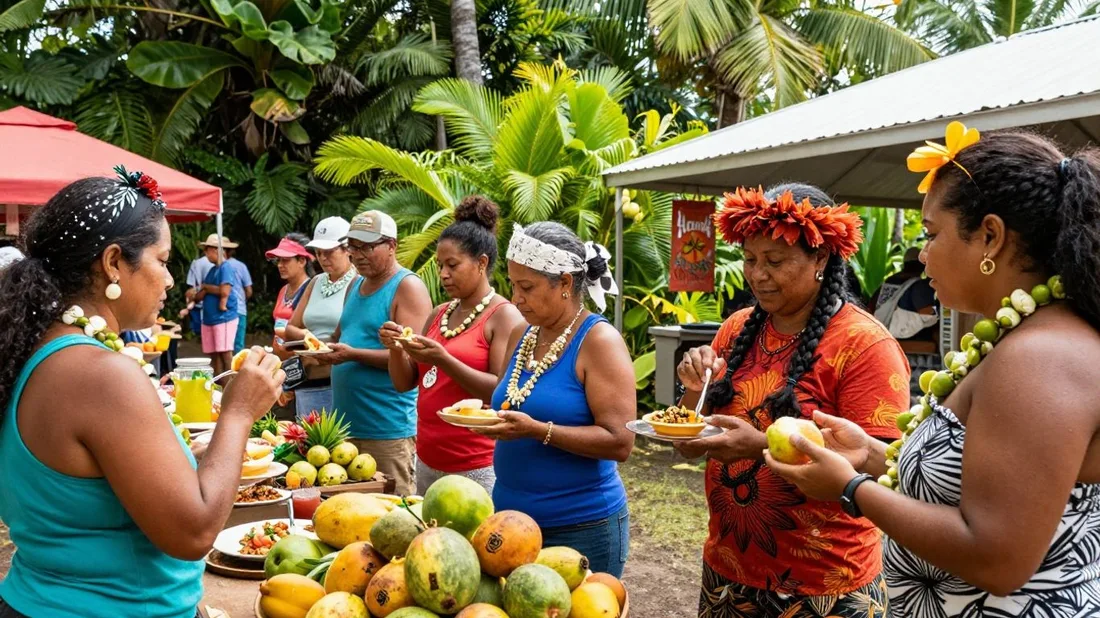
Thinking about learning French but also dreaming of palm trees and turquoise waters? Tahiti might be the perfect spot for your next language adventure. It's not just about relaxing on the beach, though that's definitely a perk. Imagine practicing your French while exploring vibrant markets or learning about local traditions from people who live there. This isn't your typical classroom experience; it's a chance to really live the language and culture.
Key Takeaways
Tahiti offers a unique setting for Polynesian language immersion, combining French lessons with cultural experiences.
Programs focus on practical conversation and integrating language learning with daily island life.
Immersive activities include engaging with local traditions, music, dance, and indigenous knowledge.
Opportunities extend beyond language to include marine biology, sustainability, and understanding the pearl industry.
Short stays in locations like Papeete and Moorea provide a rich environment for practice and cultural discovery.
Discovering Tahiti For Polynesian Language Immersion
So, you're thinking about a trip to Tahiti, huh? It's not just about the beaches, though they are pretty amazing. This place is actually a fantastic spot if you want to really get a handle on the French language, or even dive into Polynesian culture. Tahiti offers a unique blend of French and Polynesian influences, making it a dynamic learning environment. It's a bit different from learning French in, say, Paris, but in a good way. You get the structure of French education mixed with the laid-back island vibe. Plus, the natural beauty here is just… wow. It makes studying feel a lot less like work and more like an adventure.
Papeete: A Vibrant Capital City
Papeete is the main hub, and it's got a lot going on. It's where you'll find the bustling Papeete Market, a great place to practice your French while picking up some local crafts or fresh fruit. The city itself has a lively arts scene and a waterfront that's perfect for an evening stroll. You can explore museums that talk about the island's history and traditions, or just grab a bite from one of the famous food trucks, called 'roulottes'. It’s a good starting point for any immersion trip, giving you a taste of island life with all the amenities.
Moorea: The Lush Sister Island
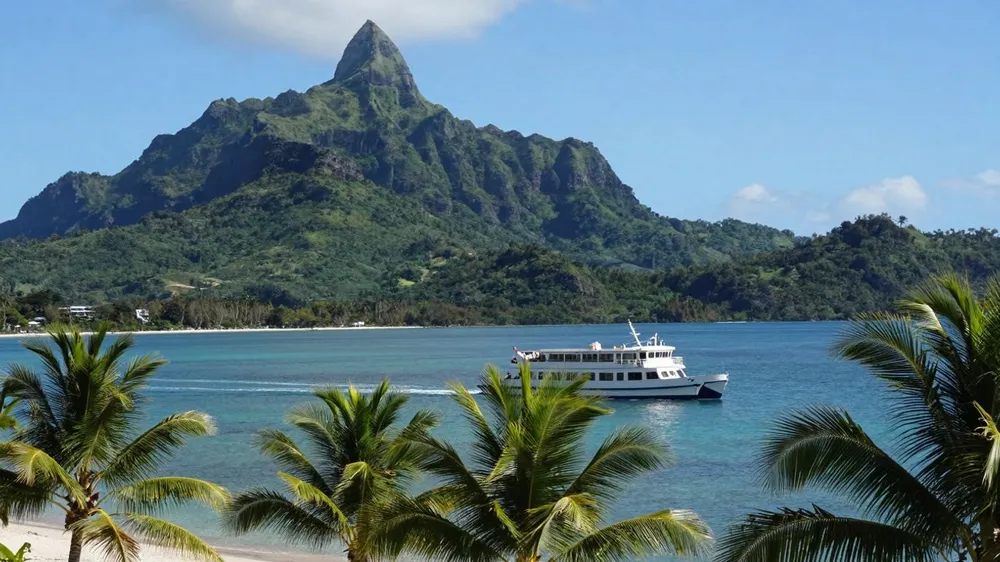
Just a short ferry ride from Tahiti, Moorea feels like a different world. It's greener, more mountainous, and incredibly scenic. Think dramatic volcanic peaks and stunning bays. It's a bit quieter than Papeete, which can be great for focusing on your studies or just soaking in the peaceful atmosphere. You can go hiking, explore organic farms, or take a boat out on the lagoon. It’s a place where you can really connect with nature and get a feel for a more traditional island lifestyle. If you're trying to decide between islands, comparing Moorea and Fiji might help you pick the perfect spot for your getaway Moorea and Fiji comparison .
Why Choose Tahiti For Immersion?
So, why Tahiti specifically? Well, it's part of French Polynesia, which is an overseas territory of France. This means French is the official language, but you're also surrounded by rich Polynesian culture. It’s a chance to learn French in a setting that’s completely different from Europe. You get hands-on experiences in things like marine biology, learning about coral reefs, or understanding sustainable farming practices. Plus, the locals are generally very welcoming, which makes practicing your language skills much easier and more enjoyable. It’s a place where you can learn a lot, not just about language, but about the world around you too.
Intensive French Language Classes
Forget stuffy classrooms! Our programs are designed to get you speaking French from day one, but in a way that actually feels natural. We focus on practical language skills you'll use when chatting with locals, ordering food, or asking for directions. Think of it less like school and more like a fun, guided exploration where French is your main tool.
Focus on Conversational Skills
The goal here is to get you talking. We know that mastering a language isn't just about grammar rules; it's about feeling confident enough to have a real conversation. That's why our lessons are built around everyday scenarios. You'll practice dialogues, role-play common situations, and get plenty of chances to speak with instructors and fellow learners. We want you to leave feeling like you can actually use the French you've learned.
Cultural Integration in Learning
Learning a language is so much richer when you're surrounded by the culture it belongs to. Our programs weave cultural experiences directly into your language studies. Imagine learning vocabulary related to local markets one day, and then actually visiting one to practice your new words the next. It’s about connecting the dots between what you learn in class and the vibrant life happening all around you in Tahiti.
Here's a look at how we blend language and culture:
Daily French Practice: Every interaction, from morning greetings to evening meals, is an opportunity to speak French.
Themed Vocabulary: Lessons often tie into upcoming cultural activities, like learning phrases for a dance workshop or a market visit.
Local Interaction: Structured opportunities to chat with local guides, artisans, and community members.
Cultural Workshops: Participate in activities like cooking or craft-making, where French is the primary language of instruction.
Engaging with Local Traditions
Beyond just learning French, you'll get to really live a bit of Tahitian life. This means stepping into traditions that have been passed down for generations. Think about participating in a pareo dyeing workshop, where you learn the techniques to create those colorful sarongs you see everywhere. Or maybe you'll try your hand at weaving a small basket from local palm leaves. These aren't just tourist activities; they're genuine crafts that connect you to the island's heritage. It's about hands-on learning that sticks with you long after you leave.
Polynesian Dance and Music Workshops
Polynesian culture is alive with rhythm and movement. You can join workshops to learn the basics of traditional Tahitian dance, which tells stories through graceful hip movements and expressive gestures. Or, pick up a ukulele and strum some island tunes, or learn the beat of the to'ere, a traditional wooden drum. It’s a fantastic way to feel the pulse of the islands and express yourself in a new way, all while practicing your French with instructors and fellow learners.
Exploring Indigenous Knowledge
Tahiti is rich with history and traditional wisdom. You can learn about the incredible voyages Polynesian ancestors made across vast oceans, using stars and currents to navigate. There are opportunities to hear stories from local elders, gaining insights into their worldview and connection to the land and sea. Understanding things like the symbolism behind traditional tattoos or the importance of certain plants in daily life offers a deeper appreciation for the culture you're immersing yourself in.
Hands-On Learning Beyond Language
Short stays in Tahiti aren’t just about the language—there’s a lot more waiting outside the classroom. Polynesian islands turn regular lessons into real experiences, especially when it comes to the environment, local food, and unique industries. Most programs toss you straight into projects that you’d only read about back home. Here’s what you can expect:
Marine Biology and Conservation Studies
Tag along with marine guides as they show you living coral and explain signs of change right there in the lagoon.
Snorkeling trips are usual, but here you might end up helping count fish or note reef conditions for ongoing research.
Some groups visit research centers or meet with nonprofits tackling plastic waste and reef recovery firsthand.
Sustainability and Permaculture Projects
Spend time at working organic farms—pick, plant, compost, repeat—while chatting with farmers in French.
Get briefed on how islands handle waste and food, and try your hand at real-life gardening or running a compost pile.
Permaculture isn’t just a word; in Tahiti, you see how food grows and cycles naturally, and everyone pitches in.
Key activities you might join:
Planting or harvesting on a permaculture farm.
Composting sessions (expect a bit of mess—but that’s half the fun).
Cooking prep using what you just picked from the garden.
Understanding the Pearl Industry
Visit a local pearl farm and learn the basics: from collecting oysters to understanding how pearls form underwater.
Listen as workers share stories about daily life, the challenges the industry faces, and how technology and tradition mix here.
Most tours end with a look at the sorting and grading process, sometimes with a shot to open an oyster yourself (spoiler: it’s trickier than you think).
A typical schedule at a pearl farm:
Intro & history talk
Boat trip to the oyster pens
Hands-on (gloved!) with oysters
Grading, sorting, and maybe even buying a pearl as a keepsake
Practicing French with Locals
So, you're in Tahiti, trying to get a handle on French, right? Well, the best way to really make those words stick is to use them. And guess what? Tahiti is practically built for it. Everywhere you turn, there are chances to chat with people. Think about stopping by the local market, the Marché de Papeete. It's not just a place to grab some fresh fruit or a cool souvenir; it's a classroom! Asking for prices, complimenting a vendor's produce, or just saying 'hello' and 'thank you' – it all adds up. Don't be shy; most locals are happy to help you practice.
Market Visits and Shopping
Speaking of markets, they are a goldmine for language practice. You'll find everything from vibrant fabrics to handcrafted jewelry. Trying to describe what you're looking for or bargaining (politely, of course!) are great ways to build confidence. It’s a real-life scenario, way more engaging than a textbook. You might even pick up some local slang or common phrases. Plus, you get to take a piece of Tahiti home with you!
Exploring Local Cuisine
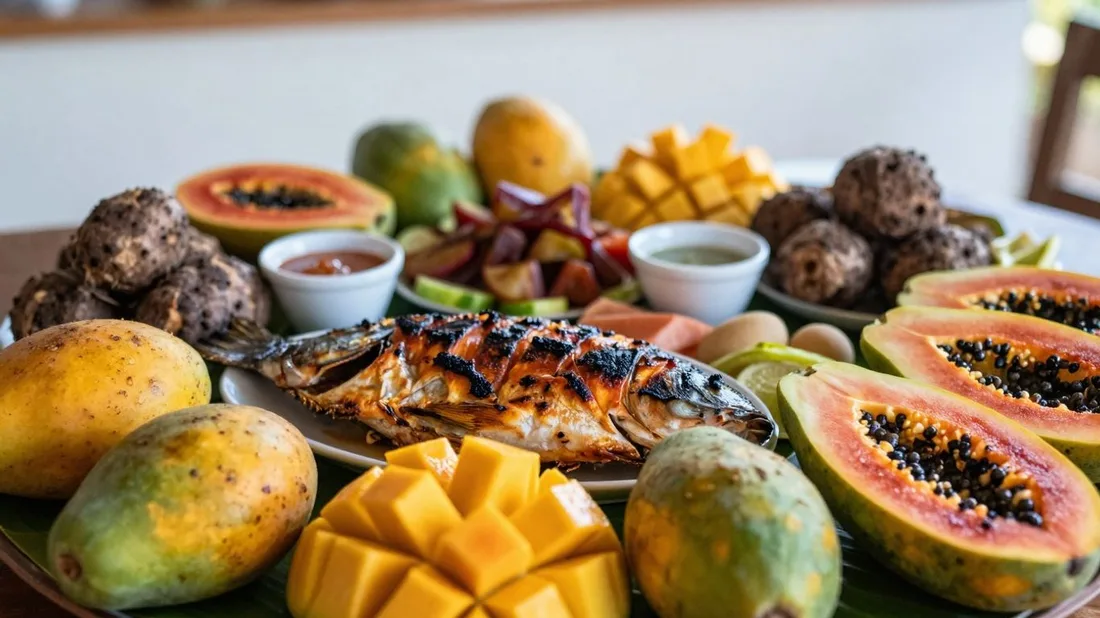
Food is such a big part of any culture, and Tahiti is no exception. Trying out the famous roulottes, those food trucks that pop up in the evenings, is a must. Ordering your meal, asking about ingredients, or even just understanding the menu becomes a mini-language lesson. Many programs include cooking workshops where you can learn to make dishes like poisson cru (raw tuna in coconut milk) and po'e. It’s a delicious way to connect with the culture and pick up new vocabulary. You'll find yourself talking about food constantly, which is a great conversation starter.
Here's a quick look at some common food items you might encounter:
Poisson Cru: Tuna marinated in lime juice and coconut milk.
Po'e: A sweet pudding made from banana, taro, or breadfruit.
Fafa: Chicken or fish cooked with taro leaves and coconut milk.
Fruits: Mango, papaya, pineapple, and the unique 'ofe.
Getting around is also pretty straightforward. In Papeete, you'll often use private mini-buses for organized trips. To get to Moorea, the high-speed ferry is your best bet, offering scenic ocean views. Once on Moorea, local coaches or vans are used for excursions. All transport is usually arranged, making it easy to focus on your immersion experience.
Accommodation and Logistics
Finding the right place to stay and figuring out the travel details are big parts of planning any trip, right? Especially when you're heading to a place like Tahiti for language immersion. You want to be comfortable, but also in a spot that helps you practice French and get a feel for the local life.
Most immersion programs will sort out your main accommodation for you, often including meals. This usually means staying at a place like Fare Om on Moorea, which is described as a friendly, family-run guesthouse. They typically have different room setups, from private rooms with their own bathrooms to shared dorms. It's good to know that things like mosquito nets and fans are usually provided, which is a nice touch.
Comfortable Island Stays
Your main accommodation will likely be in Moorea, often at a place that feels more like a community than just a hotel. Think guesthouses where you share meals and common spaces with hosts and other guests. This setup is great for practicing French in a relaxed way. For your last night, you might move to Tahiti, maybe to a place like Kon Tiki Polynesian Cabins, which is handy for getting to the ferry.
Here's a look at some typical accommodation options and what they might include:
Note: Costs are approximate and can vary based on the specific program and season.
Package Inclusions and Exclusions
When you book an immersion package, it's super important to know exactly what's covered. Most packages will include:
Accommodation for the duration of your stay.
All meals (breakfast, lunch, and dinner), though usually not drinks.
French language classes, typically a set number of hours per day.
Most planned activities and excursions.
Local transportation on the islands and ferry transfers between Tahiti and Moorea.
What's usually not included are your international flights to and from Tahiti, travel insurance (which is highly recommended), and any personal expenses or optional activities you decide to do on your free afternoons. Always double-check the specifics with your program provider.
Travel and Booking Information
Booking your immersion trip usually involves filling out a form and paying a deposit to secure your spot. The full payment is typically due a few weeks before you leave. It's a good idea to book early, especially if you have specific accommodation preferences, as popular spots can fill up fast. Flights are a separate booking, and while some programs might suggest specific flights to coordinate with the group leader, you'll generally arrange these yourself. Make sure your passport is up-to-date and that you have adequate travel insurance before you finalize anything.
Best Times for Your Immersion
Figuring out the best time to head to Tahiti for your language immersion trip really depends on what you're looking for. While the islands are beautiful year-round, there are definitely periods that are more conducive to learning and exploring.
Dry Season Advantages
The sweet spot for visiting Tahiti is generally during the dry season, which runs from May through October. This is when you'll find the most pleasant weather. Think sunny days, lower humidity, and calmer seas. This makes it ideal for all sorts of outdoor activities and practicing your French outside the classroom. It's also a fantastic time for exploring the lush interiors of the islands and enjoying the vibrant marine life without as much rain getting in the way. You'll find that many of the cultural activities and excursions are more readily available during these months.
Ideal Months for Exploration
Within that dry season, the months of June, July, and August are particularly popular. This is when the weather is typically at its best, with warm temperatures and plenty of sunshine. However, it's also peak tourist season, so expect more crowds and potentially higher prices for flights and accommodation. If you're looking for a slightly less crowded experience while still enjoying great weather, consider the shoulder months of May, September, or October. You might find better deals and a more relaxed atmosphere, which can be great for focusing on your studies and interacting with locals without feeling rushed. It's also worth noting that from August to October, you might be lucky enough to spot whales near the reef, which is quite a sight!
Here's a quick look at what to expect:
May - October: Dry season. Warm temperatures, lower humidity, less rain. Ideal for outdoor activities and excursions. Peak tourist season, especially June-August.
November - April: Wet season. Higher humidity, more rain, but also warmer temperatures. Lush landscapes, fewer tourists, potentially lower prices. Occasional tropical showers, but often short-lived.
Choosing the right time can really make a difference in your overall experience, so weighing the weather against the crowds is a good idea when booking your Polynesian language adventure .
Guided Mountain Safaris
Get ready to explore the rugged interior of Tahiti and Moorea on a guided mountain safari. These aren't just casual strolls; they're expeditions into the heart of the islands' volcanic landscapes. You'll traverse lush valleys, discover hidden waterfalls, and get a real sense of the dramatic terrain that shapes life here. The views from the higher elevations are absolutely breathtaking and offer a completely different perspective than the coast. It’s a fantastic way to stretch your legs and see parts of the islands most visitors miss. Expect to learn about the local flora and fauna from your guide, who will likely share stories and insights passed down through generations.
Lagoon Excursions and Snorkeling
No trip to French Polynesia is complete without spending time in its famous lagoons. These excursions are more than just a boat ride; they're an opportunity to connect with the vibrant marine ecosystem. You'll have chances to snorkel among colorful coral gardens, spotting a variety of tropical fish. Some tours might even include visits to marine research centers or focus on conservation efforts, giving you a hands-on look at protecting these delicate environments. It’s a chance to see firsthand the incredible biodiversity that makes these waters so special.
Visits to Cultural Centers
To truly grasp the spirit of Tahiti, visiting local cultural centers is a must. These places are hubs for preserving and sharing Polynesian heritage. You might find yourself participating in workshops on traditional dance or music, learning the rhythms of the to'ere drum or the graceful movements of Polynesian dance. Other centers offer insights into ancient navigation techniques, the art of pareo dyeing, or even the intricate symbolism behind traditional tattoos. It’s an interactive way to experience the living culture of the islands and understand the stories that have shaped its people. You can even find booking advice for your overall trip here.
Learning from Tahitian Elders
Spending time with Tahitian elders is like opening a living history book. They hold generations of knowledge about the islands, the ocean, and how to live in harmony with nature. You'll hear stories passed down, learn about traditional ways of life, and get a sense of the deep respect they have for their environment. It’s a chance to really connect with the heart of Polynesia.
Understanding Voyaging History
Polynesian cultures have an incredible history of exploration. Long before modern navigation, skilled navigators sailed vast distances across the Pacific using only the stars, currents, and natural signs. Learning about these epic voyages gives you a new appreciation for their ingenuity and connection to the ocean. It’s a story of courage and deep knowledge of the sea.
Experiencing Local Hospitality
One of the most memorable parts of visiting Tahiti is the warmth of the people. You'll likely experience 'aita paruparu', a spirit of welcoming and generosity. Whether it's sharing a meal, a smile, or a helping hand, the local hospitality makes you feel right at home. It’s this genuine connection that truly makes the immersion experience special.
Here are a few ways to experience this connection:
Participate in a traditional cooking session: Learn to prepare dishes like 'poisson cru' (raw fish marinated in coconut milk) with local ingredients.
Attend a local gathering or festival: If your timing is right, experiencing a community event offers a vibrant glimpse into local life.
Visit a 'marae': These ancient Polynesian ceremonial sites offer a quiet space to reflect on history and culture.
Planning Your Polynesian Language Adventure
So, you're thinking about a language trip to Tahiti? Awesome choice! It's not just about hitting the books; it's about living the language. Figuring out the details is key to making sure your adventure is smooth sailing and super rewarding. Let's break down how to get this whole thing organized.
Trip Duration and Structure
Most immersion programs here run for about 7 to 12 days. This gives you enough time to really get into the swing of things without feeling rushed. You'll typically spend time in both Papeete, the main city, and Moorea, the lush sister island, which are just a short ferry ride apart. The structure usually involves daily language classes, often in the morning, leaving your afternoons and evenings free for cultural activities and practice.
Morning: Intensive French lessons, focusing on conversation.
Afternoon: Cultural workshops, excursions, or hands-on projects.
Evening: Free time for practicing with locals or relaxing.
Finding the Right Program
When you're looking for a program, think about what you want to get out of it. Are you aiming for basic conversation, or do you want to dive deep into specific topics like marine biology or sustainability? Some programs are super focused on French, while others weave in cultural experiences more heavily. Look for programs that mention small class sizes and opportunities to interact with native speakers outside of lessons. It's also good to check if the program includes meals and activities, as this can make budgeting much easier.
Making the Most of Your Stay
To really soak it all in, be brave and talk to everyone! Don't be shy about trying out your French, even if you make mistakes. That's how you learn. Visiting local markets, like the Marché de Papeete, is a fantastic way to practice. You can ask about fruits, crafts, and just chat with the vendors. Also, try to participate in as many cultural activities as possible – whether it's a dance workshop or a cooking class. These experiences are where the real learning happens, beyond just grammar rules.
Wrapping Up Your Tahitian Adventure
So, that's a wrap on our short stay immersion in Tahiti. It’s more than just learning French; it’s about experiencing a whole new way of life. From chatting with locals at the market to exploring the island's stunning nature, every moment counts. You’ll leave with a better grasp of the language, sure, but also with memories of warm smiles, beautiful scenery, and a deeper appreciation for Polynesian culture. It’s a trip that really stays with you, long after you've returned home.
What is a language immersion short stay in Tahiti?
A language immersion short stay in Tahiti is a trip where you live and learn in Tahiti for a short time. You take French classes, join cultural activities, and practice speaking French every day with locals. This helps you improve your language skills quickly while experiencing Tahitian life.
Who can join the language immersion program?
Most programs are open to adults and sometimes families or teens. Some programs ask that you know some French already, usually at an intermediate level, because all classes and activities are in French. If you’re not sure about your level, you can ask for a language test.
How long do these immersion trips last?
Most short stays last between one and two weeks. For example, some programs are seven nights in Papeete or eleven nights split between Tahiti and Moorea. There are also longer options if you want to stay more.
What is included in the immersion package?
Packages usually include your accommodation, meals, French lessons, cultural activities, and local transport. Some also cover guided tours, workshops, and transfers between islands. Flights and travel insurance are usually not included, so you need to book those yourself.
What kinds of activities can I do besides language classes?
You can join lots of fun activities like snorkeling, hiking, cooking classes, dance and music workshops, and visits to markets or museums. There are also special trips to pearl farms, marine biology lessons, and chances to meet local families or elders.
When is the best time to visit Tahiti for immersion?
The best time is during the dry season, from May to October. The weather is sunny and not too humid, which is perfect for outdoor activities and exploring the islands.
What should I bring for my stay in Tahiti?
Bring light clothes, a hat, sunscreen, swimwear, and comfortable shoes for walking. Don’t forget your passport, any needed medicine, and maybe a small French dictionary or notebook to help with your studies.
How do I book a spot in the program?
To book, you usually fill out a form and pay a deposit to hold your spot. The rest of the payment is due before the trip. Make sure to read the program’s rules about payments and cancellations. If you have questions, you can contact the organizers for help.