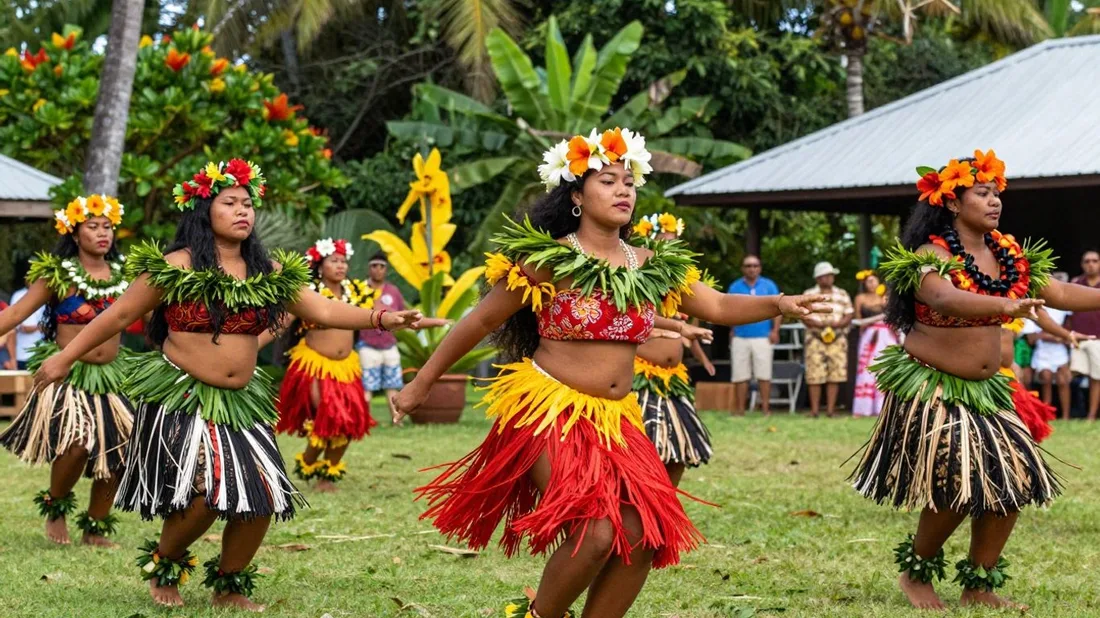
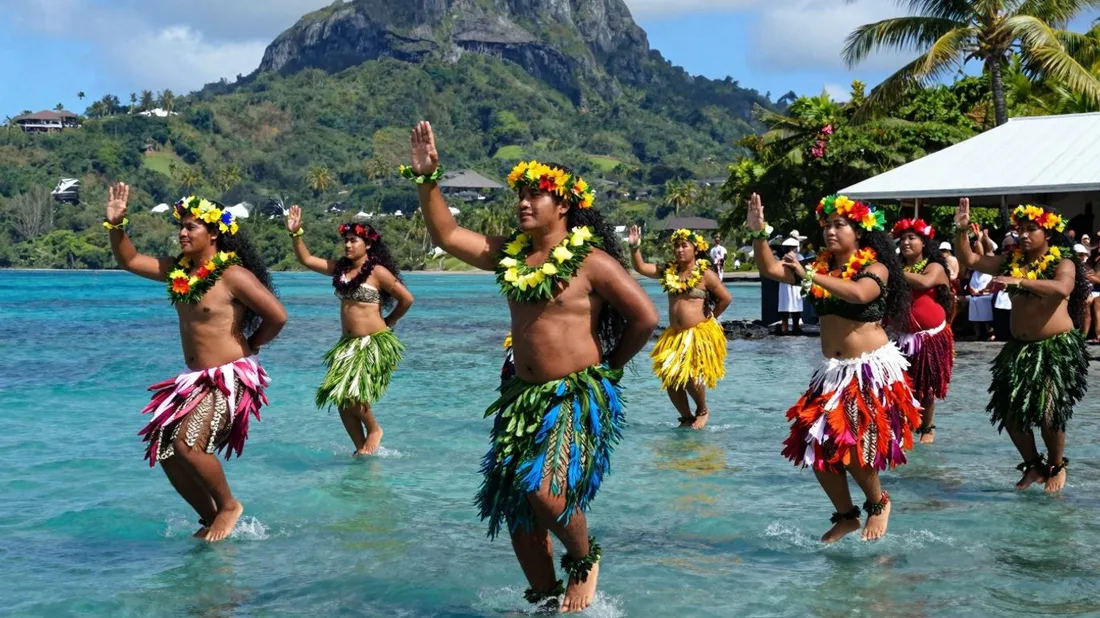
So, you're thinking about visiting Tahiti? It's more than just pretty beaches, you know. There's this whole other layer of stories and beliefs that make the islands what they are. Imagine walking around and hearing about ancient gods or feeling this invisible energy called Mana. It's pretty cool stuff. These Polynesian folklore walks are a great way to actually connect with the real spirit of the place, not just the touristy bits. It makes the whole trip feel more meaningful, like you're really getting to know the islands.
Key Takeaways
Polynesian folklore walks offer a unique way to connect with the deep spiritual world of French Polynesia, going beyond the usual tourist experience.
The mythology features powerful figures like Ta'aroa, the creator god, and Hina, the moon goddess, who explain the natural world.
Mana is a vital spiritual force in Polynesian culture, influencing life and requiring respect for nature and community.
Ancient sites like the marae and carved tikis are important links to ancestors and hold significant cultural meaning.
Traditional practices, including tattooing and storytelling, are living expressions of Polynesian identity and resilience.
The Essence of Polynesian Folklore
Polynesian folklore isn't just a collection of old stories; it's the living, breathing heart of the islands. These tales are passed down through generations, shaping how people see the world and their place in it. They talk about creation, the forces of nature, and the relationships between humans and the divine. It's a way of understanding the world that's deeply connected to the land and sea. Think of it as a cultural GPS, guiding traditions and values.
Connecting with Ancient Island Stories
When you go on a folklore walk, you're not just sightseeing. You're stepping back in time, connecting with the spirits and ancestors who walked these paths long before. You'll hear about the gods and goddesses who shaped the islands, the heroes who performed incredible feats, and the everyday people whose lives were filled with magic and meaning. It’s about feeling the history in the air and understanding the deep roots of the culture.
Understanding Polynesian Folklore Walks
These walks are designed to give you a real feel for the islands' spiritual side. They often take you to significant places – ancient marae (sacred sites), natural landmarks with legendary ties, or spots where important myths unfolded. You'll learn about concepts like 'mana,' the spiritual energy that flows through everything, and how it influences daily life. It’s a chance to see beyond the beautiful beaches and truly grasp the soul of Polynesia.
Ta'aroa, The Creator God
In the beginning, there was only Ta'aroa. This supreme being is the source of all existence, the one who breathed life into the universe. His story is the ultimate creation myth, explaining how everything came to be, from the vast ocean to the smallest insect. He's not just a god; he's the very essence of creation itself. His power is the foundation upon which all Polynesian mythology is built.
Hina, The Moon Goddess
Hina is a central figure, often associated with the moon, but her stories are much richer than that. She represents feminine power, transformation, and sometimes, a bit of mischief. You'll hear tales of her adventures, her journeys, and her connection to natural cycles. She's a protector, a healer, and a symbol of resilience, especially in the face of challenges.
Hiro, The Heroic Demigod
Hiro is the adventurer, the one who undertakes epic journeys and faces down formidable foes. He's a demigod, meaning he has divine and human parentage, which makes his stories relatable. His exploits often involve cleverness and bravery, and he's a popular figure in many island legends. Think of him as the ultimate Polynesian hero, whose deeds inspire courage and determination.
Understanding Mana's Influence
So, what exactly is this 'Mana' thing you hear about in Tahiti? It's not something you can see or touch, but it's everywhere. Think of it as a kind of spiritual energy, a life force that connects everything – people, animals, plants, even the rocks and the ocean. It's what makes the islands feel alive, you know? This energy isn't static; it can grow or fade based on how we act and how we treat the world around us. Respecting nature and community is key to keeping Mana strong. It's a pretty big deal in the local culture, influencing daily life and traditions.
Respecting Nature and Community
Living with Mana means understanding that everything is connected. It's about recognizing the spirit in a towering banyan tree or a powerful wave. This translates into practical actions. For instance, fishing practices often involve specific rituals to thank the ocean and ensure its bounty continues. Similarly, community gatherings and ceremonies are vital for sharing and strengthening Mana. It’s a reciprocal relationship: give respect, receive blessings. It’s not just about taking; it’s about being a good steward of what you’ve been given.
Living in Harmony with Mana
So, how do you actually 'live in harmony' with this invisible force? It's about mindfulness, really. When you're walking through a sacred grove or by an ancient marae (ceremonial site), you're encouraged to be quiet, observant, and respectful. It means not littering, not disturbing wildlife, and generally treading lightly. It's about appreciating the present moment and the natural beauty that surrounds you. The locals believe that by living this way, you not only honor the Mana but also bring a sense of peace and balance into your own life. It’s a way of being that’s deeply ingrained in the island culture, a gentle reminder to stay connected to the earth and to each other.
Here are a few ways Mana influences daily life:
Offerings: Small gifts or prayers are often made to acknowledge and honor the Mana of a place or natural element.
Rituals: Traditional ceremonies, from fishing to planting, are performed with respect for the spiritual energy involved.
Behavior: Actions that show respect for elders, the environment, and community are believed to increase one's personal Mana.
Tikis in Hiva Oa
When you think of ancient Polynesian art, chances are you picture a tiki. These carved figures are more than just stone or wood; they're believed to hold a spiritual essence. Hiva Oa, in particular, is known for its impressive tiki sculptures. These aren't just random carvings; they often represent gods, ancestors, or important figures from tribal history. Walking among these ancient sentinels gives you a real sense of the past. It’s like the island itself is whispering stories through the weathered stone.
Guardians of Ancestral Sites
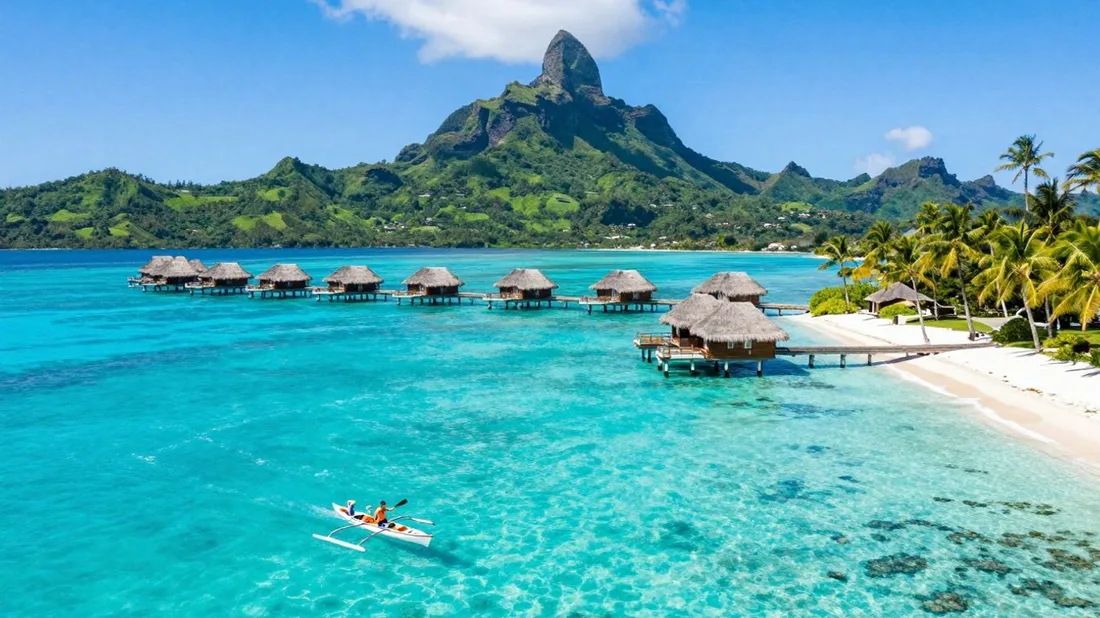
Many of these sculptures, especially the tikis, were placed at sacred locations like marae (ceremonial sites) or burial grounds. They weren't just decorations; they were thought to protect the site and the spirits residing there. Imagine these figures standing guard for centuries, witnessing countless ceremonies and events. They served as a physical link between the living and the spiritual world, a constant reminder of those who came before.
Links Between Living and Ancestors
These sites and sculptures are incredibly important for understanding the connection between past and present in Polynesian culture. They are places of respect and remembrance. When you visit a marae, you're stepping onto ground that was central to community life for generations. It’s a place where important decisions were made, where rituals were performed, and where the community came together.
Here are some things to keep in mind when visiting these special places:
Stay on marked paths: This helps protect the fragile structures from damage.
Do not climb on the stones: They are old and can break easily.
Keep quiet: These are places for reflection and honoring ancestors.
Take all your trash with you: Leave the site as you found it, or even better.
Be respectful in photos: Avoid posing on or damaging any part of the site for a picture.
The Meaning Behind Polynesian Tatau
The word 'tattoo' actually comes from the Tahitian word 'tatau,' which means to strike or to mark. It's way more than just pretty pictures on your skin; it's a deep, spiritual language. For centuries, these markings told stories about a person's life, their family, their status in the community, and their connection to the gods and ancestors. Each line, each symbol, had a purpose. It wasn't something you just decided on a whim.
Marking Life Events Through Ink
In the old days, getting a tattoo was a huge deal, often marking important moments. Think of it like a permanent record of your journey. Here are some common reasons people got inked:
Coming of Age: Marking the transition from childhood to adulthood.
Bravery and Achievements: Documenting acts of courage, whether in battle or in daily life.
Social Standing: Indicating rank, lineage, or specific roles within the tribe.
Spiritual Protection: Symbols believed to ward off evil or bring good fortune.
Cultural Pride and Resilience in Tattooing
When missionaries came, they tried to ban tattooing, seeing it as 'savage.' For a while, it almost disappeared. But the tradition survived, often practiced in secret. Today, Polynesian tattooing is making a huge comeback. It's a powerful way for people to reconnect with their heritage, show pride in their culture, and honor the resilience of their ancestors. It's a living art form, a visible link to the past that continues to evolve.
Legends Whispered Among the Palms
As the sun dips below the horizon, painting the sky in fiery hues, the air in Tahiti fills with more than just the scent of frangipani. It carries whispers of ancient tales, stories passed down through generations, shared under the rustling fronds of palm trees. These aren't just bedtime stories; they are the living heart of Polynesian culture, weaving together the past and the present.
The Legend of Bora Bora
Often called "the firstborn," Bora Bora's creation is a divine act in local lore. The gods, it's said, shaped this island paradise as a special gift to the world. Its original name, Pora Pora, directly translates to "first born," a testament to its revered status.
Hina and the Coconut Tree
One of the most beloved stories tells of Hina, a goddess, and her connection to the coconut tree. This tale speaks of love, transformation, and explains the very origin of the coconut tree, a plant deeply symbolic of life and sustenance throughout the islands.
The Spirit of Mount Rotui
In Moorea, Mount Rotui stands not just as a geological feature but as a silent, watchful guardian. Its spirit is said to inspire a sense of awe and deep respect in all who behold it, a constant reminder of nature's power and presence.
Immersing in Ancient Island Culture
These tours are more than just a walk through pretty scenery; they're a chance to really connect with the old ways of the islands. You get to hear stories that have been passed down for ages, stories that explain how things came to be and why people live the way they do. It’s about feeling the spirit of the place, not just seeing it. You'll start to understand the deep connection the islanders have with their land and sea, a bond that's been there forever. This is where the real magic happens, far beyond the postcard views.
Transformative Connections Through Stories
Listening to the legends and myths really changes how you see things. It’s like stepping back in time and understanding the world through the eyes of those who came before. You learn about the gods, the heroes, and the everyday people who shaped this culture. It’s not just about memorizing facts; it’s about feeling the emotions and the wisdom within these tales. You might find yourself thinking about your own life and connections differently after hearing them.
The Intangible Heritage of Polynesia
Polynesian culture is rich with things you can't always touch or see, like the concept of mana or the deep respect for ancestors. These tours help you grasp these ideas. You'll learn about traditions that keep the community strong and the environment healthy. It’s a reminder that some of the most important things in life aren't material possessions. You'll leave with a sense of awe for this unique way of life and maybe even a new perspective on your own heritage. Exploring the vibrant canoe culture of the Solomon Islands can offer a similar glimpse into a deeply connected way of life.
Exploring Raiatea Island
Raiatea is often called the 'sacred island,' and for good reason. It's considered the heartland of ancient Polynesian culture, a place where traditions run deep and the spiritual energy feels palpable. Think of it as the original hub, the spot where many of the beliefs and practices that spread across the Pacific first took root. Visiting Raiatea isn't just about seeing pretty scenery; it's about stepping back in time and getting a feel for the very beginnings of this rich civilization.
The Society Islands' Cultural Roots
The Society Islands, where Raiatea sits, are a cluster of gems, but Raiatea holds a special place. It's like the parent island for many of the cultural ideas found throughout the region. The way people lived, their ceremonies, their understanding of the world – a lot of it traces back here. It's a place that helps you connect the dots between different Polynesian islands and their shared heritage.
Visiting Taputapuatea Marae
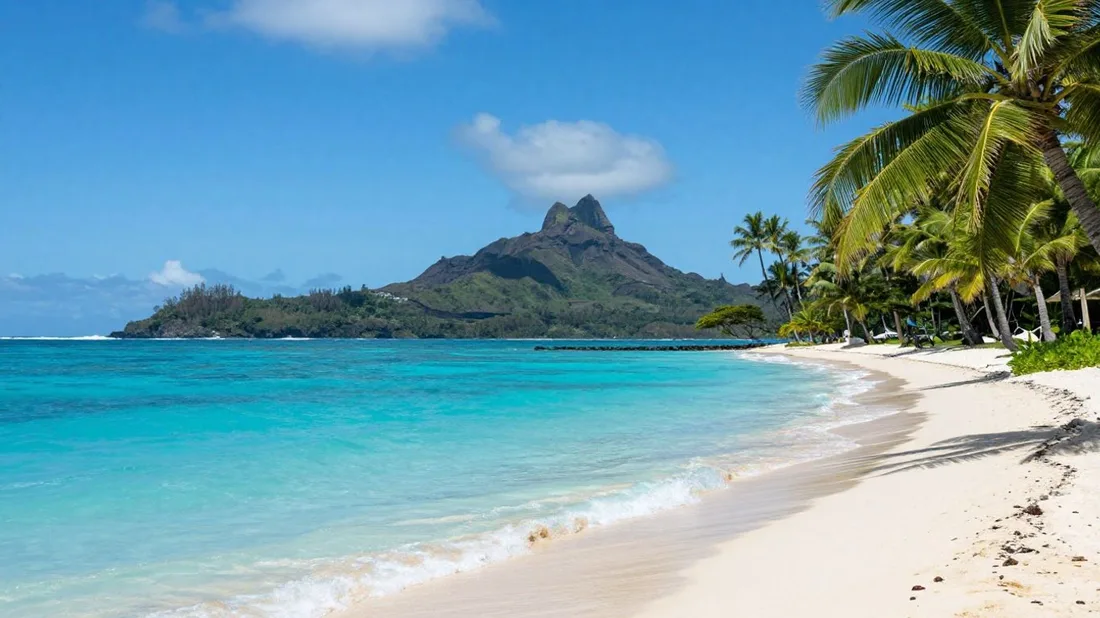
Taputapuatea Marae is the absolute must-see on Raiatea. This isn't just any old pile of stones; it's a UNESCO World Heritage site and was once the most important ceremonial center in all of Polynesia. Imagine chiefs and priests gathering here from across the vast ocean, making big decisions and performing sacred rituals. It's a place that truly embodies the spiritual and political power of ancient Polynesian society.
Here's a little about what makes Taputapuatea so significant:
Ceremonial Hub: It was the central meeting point for leaders from across the Polynesian Triangle.
Spiritual Center: Major religious ceremonies and important decisions were made here.
Navigational Knowledge: It's believed that knowledge of navigation and astronomy was shared and preserved here.
Preserving Island Lifestyles
It’s easy to get caught up in the modern rush, but here in Tahiti, there’s a deep-rooted connection to ways of living that have worked for centuries. These aren't just old habits; they're smart practices that keep the islands healthy and the culture strong. Think about how people used to fish, farm, and build – it was all about working with nature, not against it. This mindful approach is key to keeping the islands beautiful for generations to come.
The Role of Polynesian Traditions
Polynesian traditions are more than just stories and dances; they're a blueprint for living sustainably. Many of these practices are still very much alive and offer a glimpse into a more balanced way of life. They teach us about respecting resources and understanding our place in the natural world.
Here are a few examples:
Farming Techniques: Traditional methods often involve crop rotation and using natural fertilizers, which keeps the soil fertile without harsh chemicals.
Fishing Practices: Sustainable fishing relies on understanding fish populations and using methods that don't deplete them, ensuring there's enough for the future.
Building with Natural Materials: Homes and structures were often built using local, renewable resources like bamboo and palm leaves, minimizing environmental impact.
Protecting French Polynesia's Environment
Keeping French Polynesia pristine isn't just a nice idea; it's a necessity. Traditional knowledge plays a big part in this. For instance, understanding the tides and currents helps with navigation and fishing without disrupting marine life. Local communities have always been the best stewards of their land and sea, and their insights are invaluable for conservation efforts today. It’s about finding that sweet spot where tourism and tradition can coexist, benefiting both the people and the planet.
A Tour of Tahiti by Truck
Forget the usual tourist buses; seeing Tahiti by truck is where the real adventure begins. It's a bumpy, exhilarating ride that takes you off the beaten path, deep into the island's lush interior and along its dramatic coastlines. You'll get a feel for the land, the local way of life, and maybe even some stories from your driver. These tours often stop at viewpoints you wouldn't find otherwise, offering a raw, unfiltered look at the island's beauty. It’s a fantastic way to get a sense of the scale and diversity of Tahiti, from its volcanic peaks to its hidden valleys.
Top Sacred Sites to Visit
Tahiti is dotted with places that hold deep spiritual significance. These aren't just old stones; they're connections to the past, to the gods, and to the ancestors. When you visit, remember to tread lightly and show respect. It's about more than just sightseeing; it's about feeling the energy of these ancient spots.
Marae: These are open-air ceremonial sites, often marked by stone platforms and upright stones. They were central to ancient Polynesian society for religious rituals, political gatherings, and important ceremonies.
Ancient Temples: While not temples in the Western sense, certain natural formations or specific marae sites were considered sacred and were places of worship and connection to the divine.
Sacred Waterfalls and Caves: Many natural features are imbued with spiritual meaning, believed to be the homes of spirits or places where important events occurred.
Experiencing Fire Walking (Umu Ti)
This is one of those experiences that sounds almost mythical, but it's very real here. The Umu Ti, or fire walking ceremony, is a powerful tradition. It involves walking barefoot over a bed of super-heated volcanic rocks. It's not just a show; it's a deeply spiritual practice, often performed as a purification ritual or a demonstration of faith and connection to the elements.
Here's a simplified look at what goes into it:
Gathering Materials: Selecting the right volcanic rocks and dry wood is key.
Building the Fire: A large fire is built and allowed to burn for hours until the rocks are glowing hot.
The Walk: Participants, often after a period of spiritual preparation, walk across the hot stones.
The Aftermath: A communal meal often follows, symbolizing unity and the successful completion of the ritual.
More Than Just a Trip
So, as your journey through the stories and legends of Tahiti winds down, remember that these aren't just old tales. They're the living heart of the islands, passed down through generations. You've seen how the myths of gods and heroes, the meaning behind the tattoos, and the respect for 'mana' are still part of everyday life. It's this connection to the past that makes Tahiti so special, turning a simple vacation into something much deeper. Keep these stories with you, and you'll carry a piece of Tahiti's soul long after you've left its shores.
What is 'Mana' and why is it important in Tahitian culture?
Mana is like a special energy that's believed to be in everything around us – people, plants, animals, and even places. It's not something you can see, but it's very powerful. Showing respect for nature and other people helps keep mana strong. It's a key part of living in balance with the islands.
Who are some important gods and goddesses in Polynesian stories?
Polynesian myths have many amazing characters! Ta'aroa is known as the creator of everything. Hina is a goddess linked to the moon, often associated with magic. And Hiro is a famous hero, a demigod who had many exciting adventures. Each island might tell their stories a little differently.
What is the meaning behind Polynesian tattoos (tatau)?
Tatau is much more than just art on the skin. It's a way to show who you are and connect with your history. The symbols often represent things like protection, family ties, bravery, or your link to ancestors. In the past, tattoos marked important life moments, and today they are a proud symbol of culture.
Can you share a famous legend from Tahitian folklore?
One well-known story is about Hina and the coconut tree. It's a tale of love and change that explains how the coconut tree, which is super important for life on the islands, came to be. Another legend tells of Bora Bora being a gift from the gods, calling it 'the firstborn' island.
What are 'Tikis' and where can I see them?
Tikis are special statues, often carved from stone or wood. They are like guardians that protect important places and are thought to connect the living world with the spirit world of ancestors. You can find impressive tikis, especially in the Marquesas Islands, like in Hiva Oa.
What makes visiting places like Raiatea Island special for understanding culture?
Raiatea is considered a very sacred place, like a birthplace for ancient Polynesian culture. Visiting sites like Taputapuatea Marae, which was a major ceremonial center, helps you understand the deep roots of the islands' traditions and history.
How do traditional Polynesian practices help preserve the environment?
Many old Polynesian ways of living, like how they used resources or farmed, were naturally sustainable. By continuing these traditions, people on the islands help protect their environment and keep their unique lifestyle going, which is important for the future.
What is the 'Umu Ti' ceremony?
The Umu Ti is a fascinating and traditional Tahitian ceremony that involves firewalking! It's a mix of courage, ancient customs, and celebration. It's a powerful way to experience a significant part of Polynesian culture and tradition.