Travel guide
Coffee can be a pleasant part of a day in Papeete, whether you are looking for a quiet start, a market visit or a pause between other plans. The safest approach is to treat any coffee stop as a flexible part of the day: confirm the current location, hours, accessibility and offerings directly before going, especially if it is important to your itinerary.
Start with the kind of experience you want
- For a local-market atmosphere, consider building a coffee stop into a visit to Papeete Market.
- For a specialty-coffee stop, use Tahiti Tourisme's current listings to find options and then verify the details with the venue.
- For a food-focused day, allow room for nearby meals, markets and neighbourhood exploration rather than planning around a fixed legacy tour.
- If you have dietary, mobility or timing needs, ask the venue directly before travelling across the island.
Papeete Market is a useful anchor
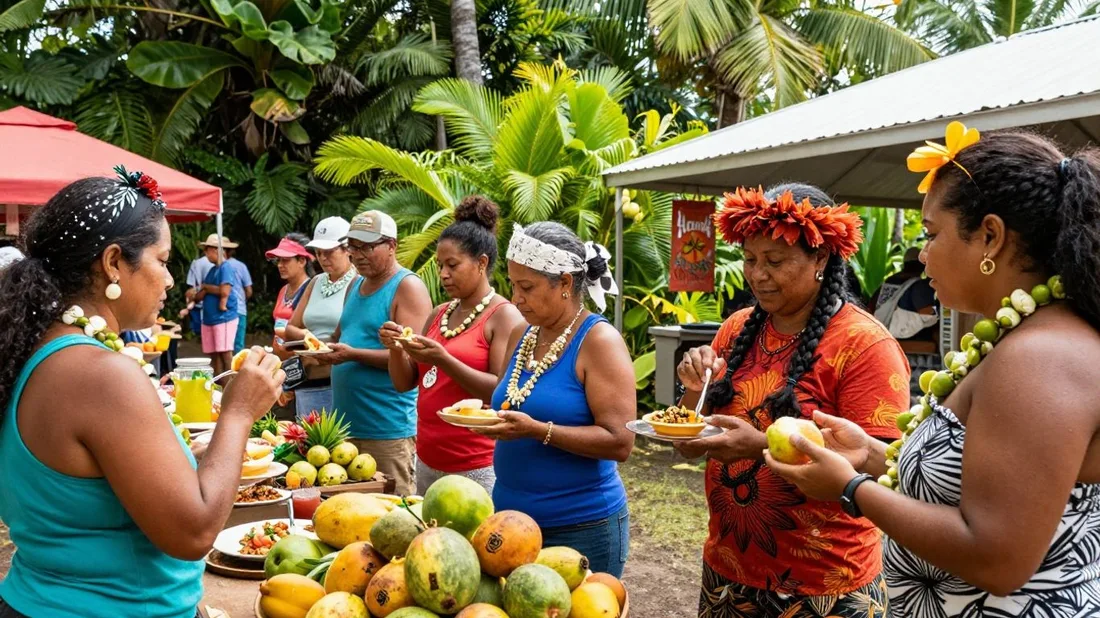
Tahiti Tourisme describes Papeete Market as a central place to encounter food, produce, handicrafts and daily life in the capital; it also notes snackbars on the upper level. This can make the market a practical anchor for a coffee-and-food-focused morning, but individual sellers and hours can change. Check the current information before setting a schedule.
Start with Papeete Market and nearby cafés
Papeete Market is a practical starting point for understanding food and drink in the city. Walk through at an unhurried pace, look for locally identified products and ask vendors how coffee is roasted or prepared. Not every coffee sold in Tahiti is grown in French Polynesia, so distinguish a local café experience from a claim about bean origin. Labels and a direct conversation with the seller are more reliable than assumptions based on tropical packaging.
Combine the market with one or two cafés rather than trying to visit every listing found online. Opening hours, menus and ownership can change, and a venue that appears in an old article may have moved or closed. Check the business’s current listing or contact it directly. A short route through central Papeete also leaves time for the waterfront, shops and a meal without turning a tasting into a rushed checklist.
Ask useful questions about origin and preparation
If origin matters to you, ask where the beans were grown, where they were roasted and whether the drink is a blend. These are separate questions. A café may roast imported beans locally, serve coffee grown elsewhere in the Pacific or feature a limited local lot. None of those choices is automatically inferior, but the description should be accurate. Staff may also explain whether a preparation uses espresso, filter methods or a house recipe.
Taste first without loading the cup with sugar or flavoring, then adjust it to your preference. Compare aroma, acidity, body and finish in ordinary language. You do not need specialist vocabulary to notice differences. Drink water between samples and order food if caffeine affects you. If you want to buy beans, ask for a roast date and brewing recommendation so the souvenir is useful when you return home.
Pair coffee with local food thoughtfully
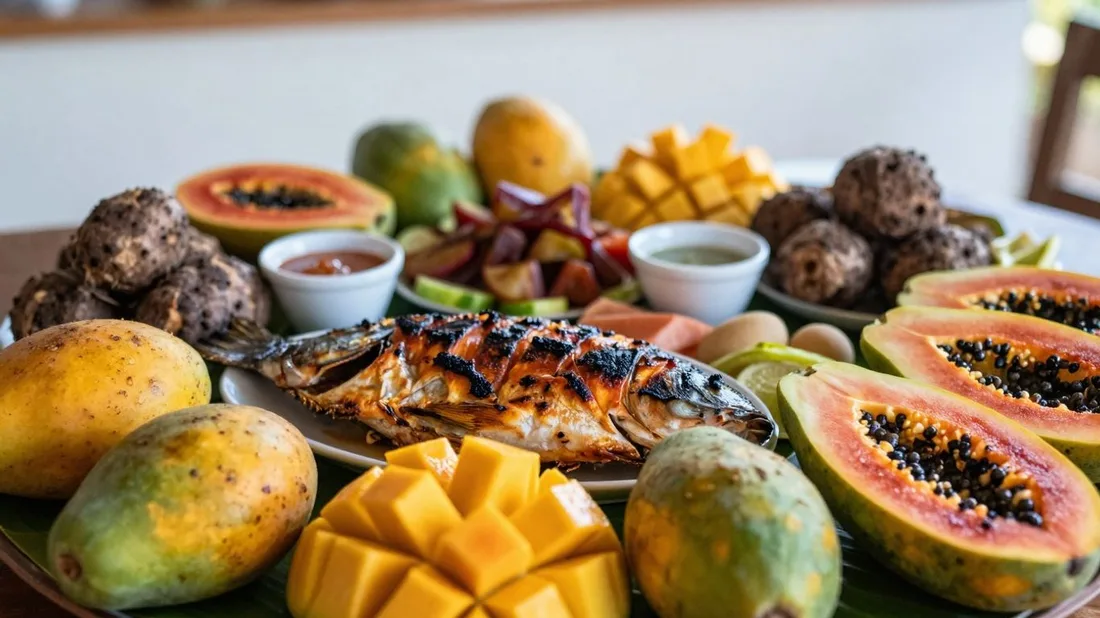
A café stop can introduce pastries, fruit, preserves, coconut preparations or other local ingredients. Ask what is made in house and what is seasonal. Food allergies and dietary needs should be explained before ordering, especially when sauces, fillings or shared preparation areas are involved. A market breakfast or afternoon pause can be more revealing than a formal “tour” if no verified coffee tour operates on your dates.
Vanilla is strongly associated with French Polynesia, but coffee and vanilla are different agricultural stories. Avoid presenting every flavored drink as proof of a coffee-growing tradition. If a café offers local vanilla, ask where it came from and how it is used. Travelers interested in agriculture can also look for verified farm or producer visits, while respecting that working farms may require advance arrangements and may not operate daily.

Build an honest self-guided tasting route
Choose a morning when the market and selected cafés confirm they are open. Mark the route on an offline map, carry a reusable bottle and leave room for weather or a busy counter. Begin with the market, continue to one café with a clear coffee focus, and finish somewhere that adds a different preparation or food pairing. Buy only what you can transport under customs rules and store beans away from heat.
The best result is a relaxed introduction to Papeete rather than a promised plantation circuit that may not exist. Record venue names and what you actually tasted, because generic online lists age quickly. Be considerate when photographing stalls or baristas, tip according to local practice and make a purchase before treating a small business as a photo stop. Confirm all current arrangements directly before setting out.
Tahiti Tourisme: visit Papeete Market
Find current coffee listings, not promised tours
Tahiti Tourisme currently lists coffee-focused businesses in Tahiti, including Papeete. That confirms that coffee experiences are available to research, but it does not guarantee a specific roast, tasting, tour, opening hour, price, availability or experience. Use the official listing as a starting point and make any reservation or visit decision from current provider information.
Tahiti Tourisme: coffee listings in Tahiti
Keep the day flexible
Rather than treating coffee as a standalone excursion, pair it with a walk through Papeete, a market visit, or another current activity you have already confirmed. Tahiti Tourisme describes Papeete as the capital and a starting point for a varied Tahiti visit.
Frequently asked questions
Can I visit a coffee farm in French Polynesia?
Coffee-related visits depend on the island, producer, season and current visitor arrangements. Confirm access directly with a legitimate host or organiser.
What should I ask before booking a farm visit?
Ask about transport, walking conditions, duration, accessibility, what the visit includes and whether advance reservations are required.
How can I visit respectfully?
Stay in permitted areas, follow the host’s instructions, ask before photographing people or workspaces and purchase only if it suits you.