Travel guide
A meaningful visit to Tahiti and French Polynesia starts with curiosity, care and an awareness that these islands are home to living communities and cultures—not a backdrop for a visitor’s itinerary. Build time into the trip to learn from local people, follow site-specific guidance and treat cultural places with respect.
Learn without reducing culture to a checklist
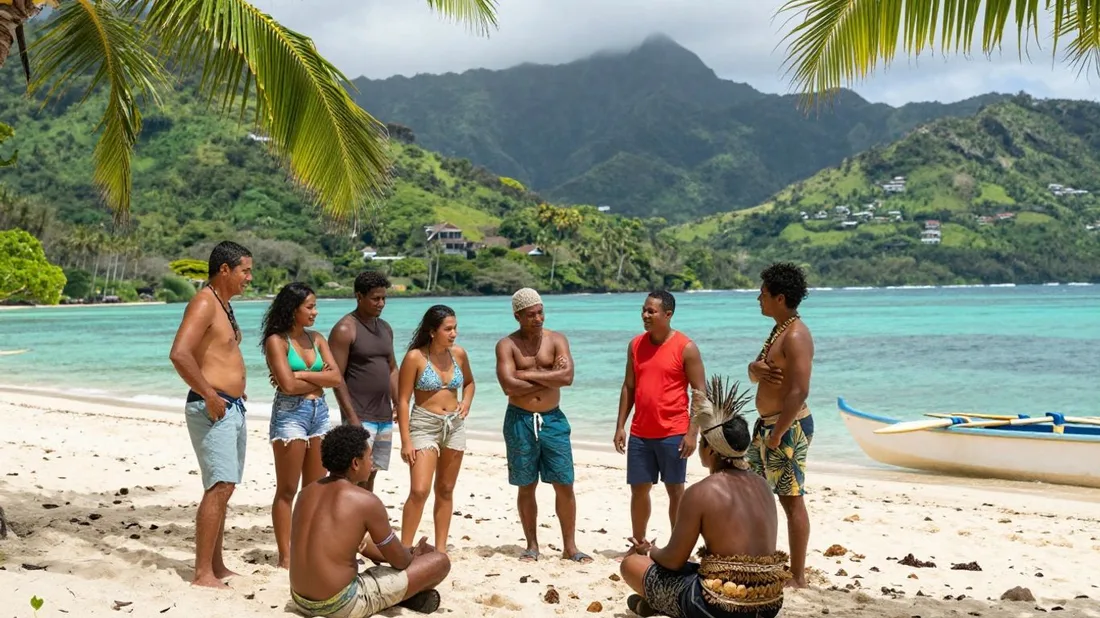
Tahiti Tourisme describes ma’ohi heritage as present in language, dance, music, sports and ancestral arts. It also notes that French and Tahitian are widely spoken in the Islands of Tahiti, while other islands may have distinct dialects. Use this as an invitation to listen and learn rather than a reason to assume one island’s practices represent every community.
Practical ways to visit respectfully
- Check the guidance of the place, host or cultural organization you are visiting, especially at sacred or archaeological sites.
- Ask before photographing people, ceremonies or private spaces, and accept a refusal without pressure.
- Use locally offered experiences thoughtfully; confirm current opening arrangements, access expectations and booking terms directly with the provider.
- Learn a few words only as a gesture of respect, not as a substitute for local knowledge or permission.
The official visitor guidance specifically advises seeking permission before visiting sites considered sacred or tapu. Conditions, access rules and event arrangements can change, so this page deliberately does not promise entry, etiquette rules for every island, tour availability or festival dates.
Culture is living, local and different from island to island
French Polynesia covers several archipelagos, and a respectful visitor should expect regional differences rather than one uniform presentation of culture. Language, dance, music, food, craft and relationships to land and sea remain parts of daily life. Ask local hosts how an experience should be approached, listen before interpreting what you see, and avoid treating performances or objects as interchangeable souvenirs. The most rewarding encounters usually come from leaving room for context and conversation.
Tahitian and French are widely used, while other islands preserve their own forms of speech. A greeting such as ‘Ia ora na and a sincere māuruuru can be welcome, but pronunciation and use are best learned from people locally. Visitors do not need to perform expertise. Showing patience, learning names correctly and following the lead of hosts communicates more respect than repeating phrases without understanding their setting.
Dance, music and sport carry stories
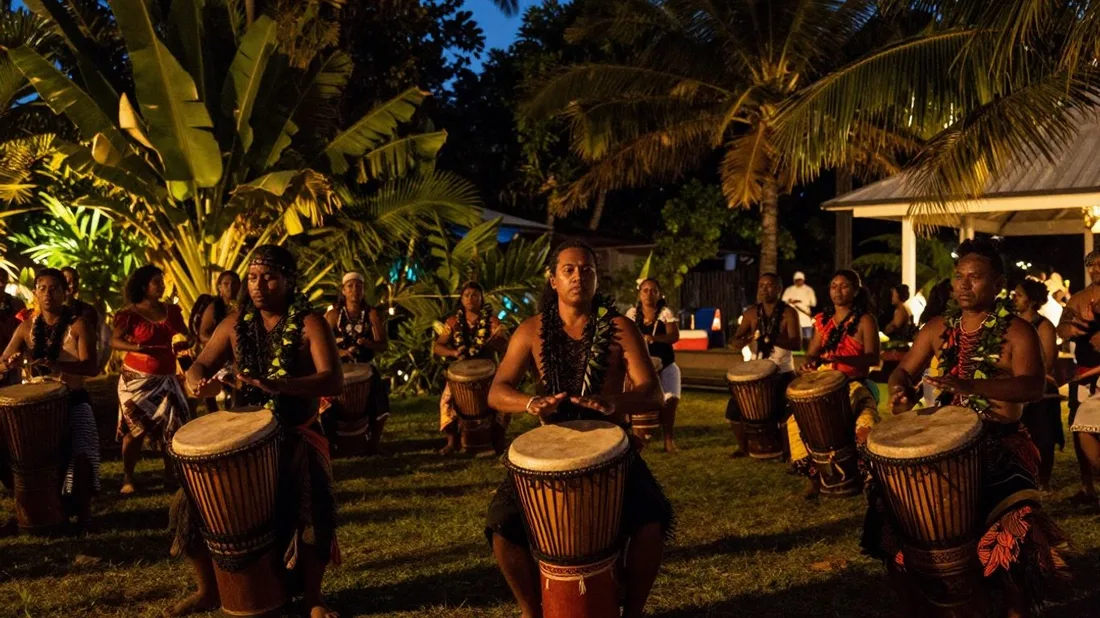
Dance and music are not simply resort entertainment. Tahiti Tourisme describes an ancestral heritage expressed through dance, drums, song and oral transmission. When attending a performance, read the program when one is available and notice whether the event is a formal competition, a community celebration or a visitor presentation. Ask before moving close to performers or recording children, ceremonies or preparation areas. A clear view is never more important than the dignity of the people involved.
Traditional sports and ocean skills also carry cultural meaning. Va‘a paddling, surfing, javelin throwing and stone lifting connect physical skill with community and heritage. A visitor may be able to watch or try an activity through a qualified local operator, but should not assume access to training areas or events. Confirm where spectators belong, respect safety instructions and allow working crews and competitors the space they need.
Choose crafts with attention to the maker
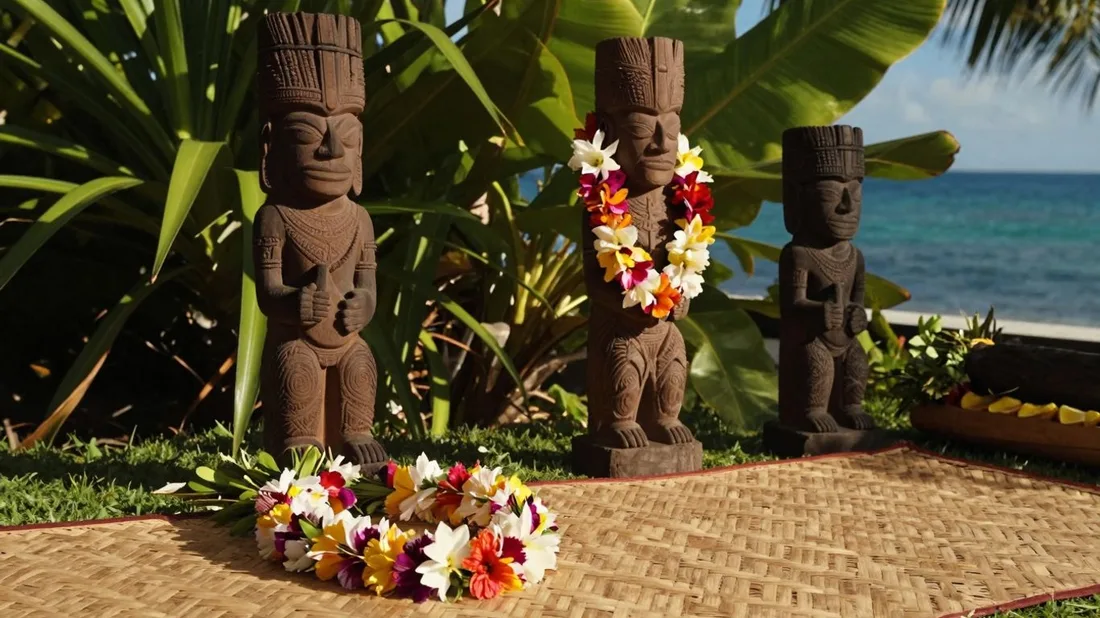
Weaving, carving, sewing, tattoo, jewelry and floral work reflect knowledge passed through families and communities. Markets and workshops offer a chance to ask who made an item, what materials were used and whether it was produced locally. Natural materials can be subject to customs restrictions when you return home, so check the rules before buying shells, coral, wood, seeds or plant products. Never remove material from a beach, reef, archaeological site or private property.
Tatau has deep personal and cultural meaning. If you are considering a tattoo, take time to understand the artist’s process and the significance of a proposed design. Do not copy a design from another person or ask for a sacred motif because it looks attractive. A reputable artist can explain what is appropriate, create original work and discuss aftercare, hygiene and the time required away from sun, sea and strenuous activity.
Make food part of the learning
Food connects land, lagoon, family and celebration. Try local dishes through markets, pensions, restaurants and guided experiences, and ask what is seasonal or prepared for that place. An earth-oven meal, fresh fish, fruit, coconut, breadfruit and vanilla may appear in different forms across an itinerary. Dietary needs should be explained early and politely because choices can be limited on smaller islands. Avoid assuming that every dish or presentation is available everywhere.
A thoughtful cultural itinerary leaves time between scheduled activities. Visit a market without rushing, choose a museum or heritage site with reliable interpretation, and accept that some places may close or restrict entry. Support locally owned businesses where they fit your plans, ask permission before entering community spaces and follow posted guidance. The aim is not to collect cultural experiences, but to travel in a way that respects the people whose home you are visiting.
Before confirming a cultural activity, ask who leads it, how visitors participate and whether the fee supports the people presenting the work. Read locally provided interpretation and allow time for questions when invited. If a place or practice is described differently by a local host than by an old guide, follow the current local explanation. Respect also means accepting that some knowledge, spaces and moments are not intended for visitor access or photography.
Tahiti Tourisme: Tahitian and French Polynesian culture
Tahiti Tourisme: tips for a sustainable stay
Frequently asked questions
How can visitors experience Polynesian culture respectfully?
Use informed local guides and community-approved experiences, follow site rules, ask before photographing people and treat sacred or residential places with care.
Are cultural events and opening times fixed?
No. Dates, access and programs can change, so confirm current details with the event organiser, venue or official destination source.
What should I avoid at cultural sites?
Do not enter closed areas, climb on structures, remove objects or treat a living community as a staged attraction. Follow local instructions even when an older guide differs.