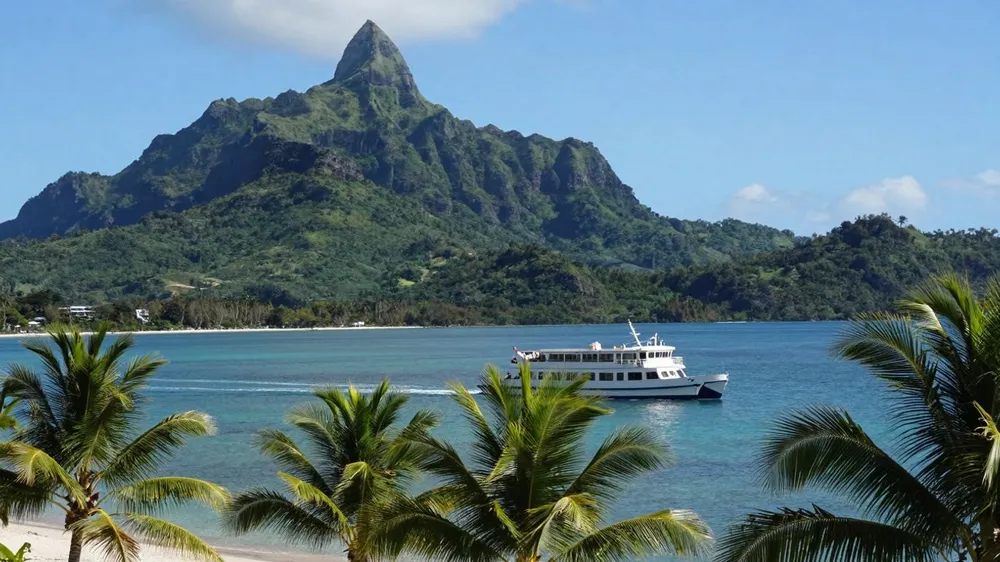
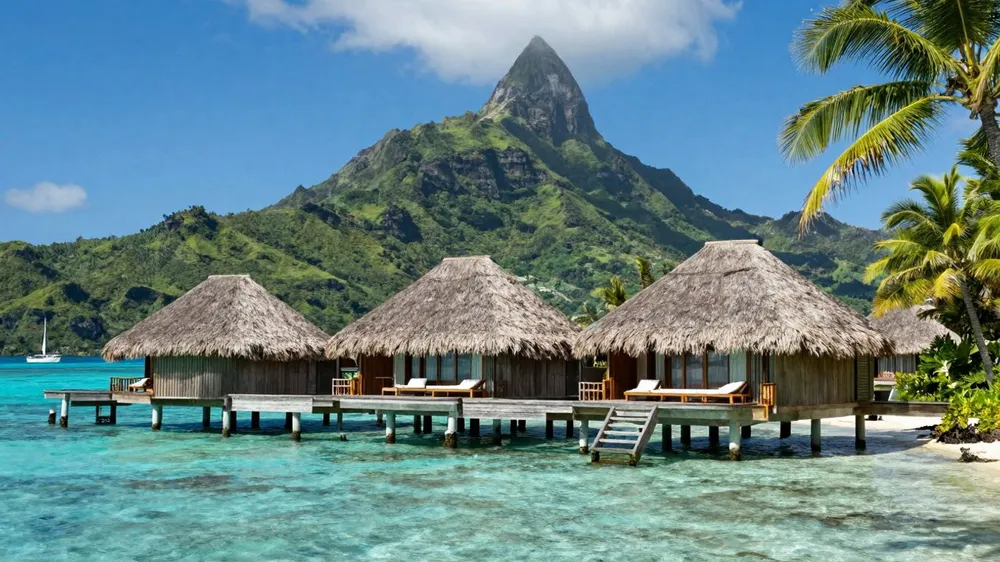
Tahitian pearls come from a single species, the black-lipped pearl oyster Pinctada margaritifera, raised in the lagoons of French Polynesia. A farm visit shows how much skill and patience goes into each one, and it is the best preparation for buying a pearl, whether on the farm or later in a Papeete shop.
How a cultured pearl is made
A skilled grafter opens a mature oyster slightly and implants two things in its gonad: a round bead nucleus cut from the shell of a freshwater mussel from the Mississippi River, and a tiny square of mantle tissue from a donor oyster. That tissue grows around the bead into a pearl sac, which lays down layer after layer of nacre. According to a peer-reviewed study of Tahitian pearl culture, a pearl forms in about 15 to 20 months. Oysters spend that time hanging on lines in the lagoon, where they are cleaned regularly. Some are grafted again after the first harvest.
Where pearls are farmed
Most production comes from the Tuamotu atolls and the Gambier Islands, whose large, clean lagoons suit the oysters. Some farms on the Society Islands welcome visitors and explain the process, and these are often the easiest to reach on a typical itinerary. The large production farms on remote atolls are working sites, rarely set up for visitors, so a showcase farm closer to the main islands usually gives the better explanation.
Farms you can visit
| Farm | Island | Visit style |
|---|---|---|
| Ferme Perlière Champon | Taha’a | Family farm; production and grading explained; showroom |
| Tahiti Iti Pearl Farm | Tahiti (Taiarapu-Ouest) | Swim to choose an oyster, learn about grafting, keep your pearl; meal included |
| Gauguin’s Pearl | Rangiroa (Avatoru) | Working farm on the atoll; confirm visit times with the farm |
| Lagoon farms on other islands | Huahine, the Tuamotus and others | Varies; ask your pension or tour operator |
On Taha’a, Tahiti Tourisme describes Ferme Perlière Champon as a small family farm offering an instructive visit on how pearls are produced and graded, with loose and set pearls for sale. Many Taha’a lagoon tours from Raiatea stop at a pearl farm alongside a vanilla plantation and a coral garden; our Taha’a guide explains how the day works. On Tahiti, the Tahiti Iti Pearl Farm lets visitors swim out, pick an oyster and leave with the pearl inside, plus a swim and a Polynesian-style meal. In Rangiroa, Gauguin’s Pearl at Avatoru is a working farm that has also hosted pearl research; see our Rangiroa guide.
Judging a pearl
Look at each quality separately. Lustre is the depth of shine and matters most. Surface is how clean the skin is. Shape runs from round and near-round to drop, button, circled and baroque. Colour is far wider than “black”: greys, greens, aubergine, peacock and silver are all natural to the species. Size is measured in millimetres.
Many sellers still use the A to D grades of the former official classification, with A the cleanest surface, but grading is now each seller’s own, so ask what a grade means in that particular shop and compare pearls rather than labels.
Nacre and certificates
A minimum nacre-thickness rule that once applied to Tahitian pearls has been dropped, so thin-nacre pearls can now be sold. Ask the seller how thick the nacre is, whether the pearl is untreated and what certificate or guarantee comes with it. Reputable farms and shops will explain without pressure. Our pearl jewelry guide goes deeper into grades and settings.
Taking pearls home
Keep receipts and certificates together. Tahiti Tourisme’s customs page explains that some goods are subject to specific import and export rules. Declare your purchases on arrival home according to your own country’s allowances.
Buying beyond the farm
If you do not reach a farm, Papeete has many pearl shops, and the municipal market sells pearls and simple jewelry alongside crafts. Shops on Bora Bora and Moorea also carry pearls, often in finished jewelry. Compare a few pearls side by side in daylight, since shop lighting flatters lustre. Ask for the pearl’s origin and any certificate, and keep the receipt with it.
Caring for pearls
Nacre is soft and sensitive to chemicals. Put pearls on after sunscreen, perfume and hairspray, wipe them with a soft cloth after wearing, and keep them away from chlorinated pools and salt water when you can. Store them apart from harder jewelry that can scratch them, and have strands restrung from time to time if worn often.
Questions to ask on a visit
Is grafting taking place today? How long have these oysters been in the lagoon? How does the farm decide which pearls to sell and which to discard? The answers tell you a lot about the farm and help you buy with confidence.
Make the visit respectful
Follow the host’s instructions around grafting tables, boats and lines, and ask before photographing staff at work. Grafting is precise and the oysters are living animals, so keep hands and bags clear of the work area. A visit is a lesson, not a contract to buy.
Common planning mistakes
Assuming a high price proves quality, believing every dark pearl is natural colour without asking, and building an inter-island flight around a farm visit before the farm has confirmed it is open.
Accessibility and individual needs

Farm platforms and boats can involve narrow walkways, steps and open water, so ask about railings, seating and supervision for children before booking. Showrooms on land are a good option for anyone who prefers not to board a boat.
After booking
Ask the farm the day before whether grafting or harvesting is happening, since a quiet day may mean a talk and showroom visit rather than a working demonstration.
On the day
If the boat transfer to a lagoon farm is cancelled for wind, a showroom on the main island can still give useful context before any purchase.